
'/%3E%3Cpath%20fill='%2330c2dc'%20d='M493%20379c-14-6%2010-16%2014-16-8-1-21%203-27%203l-57-3c-7-1-12-10-10-10-3%203-37-9-27%200l9%2014c15-3%2030%208%2013%2014%203%200%2057-4%2085-2'/%3E%3Cpath%20fill='%23f9aa51'%20d='M475%20366v13q-1%207-7%207h-35q-6-1-7-7v-13q0-6%207-7h35q7%201%207%207'/%3E%3Cpath%20fill='%230c8489'%20d='M388%20335c-11%205-28-12-25-24%203-13%2028-2%2029%2014%207-2%2020%202%2025%207%209-11%2038-3%2041%2010%2011-13%2028-9%2034-3%2013-10%2033-4%2030%207-3%2012-29%2015-37%206-1%201-20%200-22%2016h-11c-3-4-2-14-1-15-11%204-29-3-34-10-7%204-25-1-29-8'/%3E%3Cpath%20fill='%23fcca3d'%20d='m419%20304-3%203c-7-4-11%208-19-2-2-3-3-10%205-16%205-3%2018-5%2019%200%203%206%207%206%204%209l4%203v9zm56%2031c-15%204-16%209-15%2012q-7-6-1-10c-9-8-10%206-8-6%201-8%2024%205%2018-15h9q-1%2015%2017%2019c0%2024%202-3-6%205-2%200-5-6-14-5'/%3E%3Cpath%20fill='%238f4620'%20d='M418%20268c-4-24%2020-46%202-44-16%201-18-2-18-2-6-7%2010-11%209-20q2%2011%205-4c2%206%204%208%205-3%205%207%2017%205%2025%2010q-3-6-10-11c-12-11%2012-9%2012-9%2033-11%2044%2012%2061%2012-17%203%2013-2%2038%2058-18-11%2012-1-7%2067%200%200-45-57-36-39-10-5-20-18-20-18-11%203-2%204-1%2020%200%200%2043%2030%2045%2036%201%206-10%204-25%207-16%202-23-20-22-10s-16%205-16%205-19-29-19-9c-39-3-20-15-20-15s10%202%208-2c-2-3-12-4-16-29m-7-66'/%3E%3Cpath%20fill='%23f9c83a'%20d='M407%20220c10%203%2015-3%2016%204%204%204-22%209-19%2014-7%203-18-10-5-16%201-5%206-3%206-3l6-8q3%207-4%209'/%3E%3Cpath%20fill='%23a8ac71'%20d='M403%20309c-15%201-19%205-23-16-18-16-8-25-7-28%201-8-12-11-15-10-1-8%2022-1%2021%209-1%209-7%2011%206%2024%205%204%203%2014%2011%2011-1%204%203%2010%207%2010m6-18c10-8-24%202-26-24-1-15%2027-22%2023-34l-5-3q1-4%207-3c19%2015-11%2027-14%2038-4%2024%2031-5%2025%2029l-3%205q-7-4-7-8m-11-54c-25%206-23-35-7-35%201%2020-15%2015%205%2015-8%200-13%2011-3%2012q1%206%205%208'/%3E%3C/svg%3E)

Vinegar transport
Food-grade vinegar, in bulk, in 316L stainless steel.
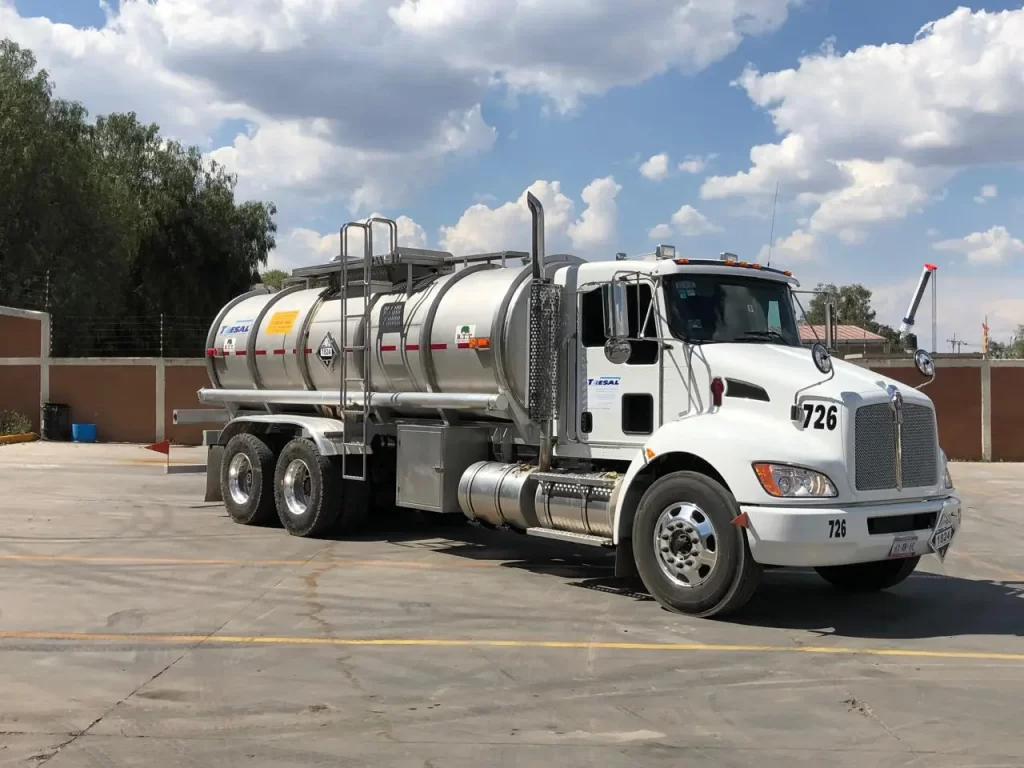
TRESAL (Transportes Especializados del Altiplano, S. de R. L. de C. V.) transports vinegar in bulk in food-grade 316L stainless steel tank trucks, with nationwide coverage from its bases in Cuautitlán Izcalli —part of the Greater Mexico City area— and San Luis Potosí. Every shipment travels in a dedicated unit under food-hygiene practices.
What is vinegar and what is it used for?
Vinegar is the product of the acetic fermentation of alcoholic liquids; it is an acetic-acid solution that, under the Mexican standard NMX-F-122, has an acidity of 4 to 8%. It is classified into grade A (from fruit juice, wine or cereal) and grade B (from potable ethyl alcohol). It is one of the most widely used condiments and preservatives in the food industry.
Uses of vinegar in Mexico
In Mexico vinegar is a key input for the sauces and food-preserves industry, a sector represented by CANAINCA:
- Hot sauces, ketchup, mustards and dressings.
- Pickled (escabeche) and canned chiles, jalapeños and preserved vegetables.
- Pickles, adobos and marinades.
- Food preserves and traditional Mexican foods.
How is vinegar safely transported in bulk?
Vinegar is diluted acetic acid, corrosive to chloride, so it is transported in a 316L stainless steel food-grade tank truck, in a dedicated unit, to preserve both product safety and tank integrity. TRESAL delivers door to door with the traceability we give every shipment. See our full guide to food-grade bulk transport, which also covers 304 vs. 316L stainless steel.
Food-safety standards we meet when transporting vinegar
At TRESAL we align every vinegar shipment with the applicable hygiene regulations:
- NOM-251-SSA1-2009 — Mexico’s hygiene-practices standard for food processing; its transport section requires clean vehicles free from contamination. Enforced by COFEPRIS.
- NMX-F-122 — Mexican standard for vinegar quality (defines acetic acidity and its classification by grades).
- Food safety of the preserves sector, represented by CANAINCA.
How do we wash tank trucks for food cargo?
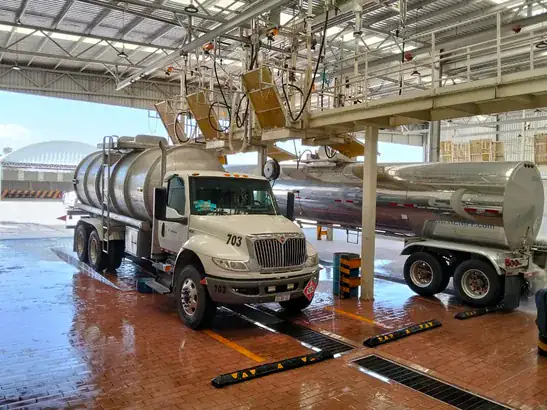
Between loads we wash with high-pressure hot water in a single pass, using clean water on each pass to prevent cross-contamination. We document every wash and, for food-grade and Kosher cargo, we apply a final steam step. We operate under ISO 9001:2015 and with criteria equivalent to the international tank-cleaning standard (EFTCO). More detail on our tank truck washing service.
Frequently asked questions
Why is vinegar transported in 316L stainless steel?
Because vinegar is diluted acetic acid and 316L steel, which contains molybdenum, resists corrosion from chlorides and acids better than 304, preserving product quality and tank service life.
What is bulk vinegar used for in Mexico?
Mainly in the sauces and preserves industry: pickled and canned chiles, pickles, hot sauces, ketchup, dressings and marinades.
References
- NOM-251-SSA1-2009 (platiica, Ministry of Economy)
- CANAINCA — National Chamber of the Food Preserves Industry
- COFEPRIS
- EFTCO — European Federation of Tank Cleaning Organisations
Learn more: food-grade bulk transport in Mexico · tank truck washing · certifications.
We also transport
Last updated: July 10, 2026