
'/%3E%3Cpath%20fill='%2330c2dc'%20d='M493%20379c-14-6%2010-16%2014-16-8-1-21%203-27%203l-57-3c-7-1-12-10-10-10-3%203-37-9-27%200l9%2014c15-3%2030%208%2013%2014%203%200%2057-4%2085-2'/%3E%3Cpath%20fill='%23f9aa51'%20d='M475%20366v13q-1%207-7%207h-35q-6-1-7-7v-13q0-6%207-7h35q7%201%207%207'/%3E%3Cpath%20fill='%230c8489'%20d='M388%20335c-11%205-28-12-25-24%203-13%2028-2%2029%2014%207-2%2020%202%2025%207%209-11%2038-3%2041%2010%2011-13%2028-9%2034-3%2013-10%2033-4%2030%207-3%2012-29%2015-37%206-1%201-20%200-22%2016h-11c-3-4-2-14-1-15-11%204-29-3-34-10-7%204-25-1-29-8'/%3E%3Cpath%20fill='%23fcca3d'%20d='m419%20304-3%203c-7-4-11%208-19-2-2-3-3-10%205-16%205-3%2018-5%2019%200%203%206%207%206%204%209l4%203v9zm56%2031c-15%204-16%209-15%2012q-7-6-1-10c-9-8-10%206-8-6%201-8%2024%205%2018-15h9q-1%2015%2017%2019c0%2024%202-3-6%205-2%200-5-6-14-5'/%3E%3Cpath%20fill='%238f4620'%20d='M418%20268c-4-24%2020-46%202-44-16%201-18-2-18-2-6-7%2010-11%209-20q2%2011%205-4c2%206%204%208%205-3%205%207%2017%205%2025%2010q-3-6-10-11c-12-11%2012-9%2012-9%2033-11%2044%2012%2061%2012-17%203%2013-2%2038%2058-18-11%2012-1-7%2067%200%200-45-57-36-39-10-5-20-18-20-18-11%203-2%204-1%2020%200%200%2043%2030%2045%2036%201%206-10%204-25%207-16%202-23-20-22-10s-16%205-16%205-19-29-19-9c-39-3-20-15-20-15s10%202%208-2c-2-3-12-4-16-29m-7-66'/%3E%3Cpath%20fill='%23f9c83a'%20d='M407%20220c10%203%2015-3%2016%204%204%204-22%209-19%2014-7%203-18-10-5-16%201-5%206-3%206-3l6-8q3%207-4%209'/%3E%3Cpath%20fill='%23a8ac71'%20d='M403%20309c-15%201-19%205-23-16-18-16-8-25-7-28%201-8-12-11-15-10-1-8%2022-1%2021%209-1%209-7%2011%206%2024%205%204%203%2014%2011%2011-1%204%203%2010%207%2010m6-18c10-8-24%202-26-24-1-15%2027-22%2023-34l-5-3q1-4%207-3c19%2015-11%2027-14%2038-4%2024%2031-5%2025%2029l-3%205q-7-4-7-8m-11-54c-25%206-23-35-7-35%201%2020-15%2015%205%2015-8%200-13%2011-3%2012q1%206%205%208'/%3E%3C/svg%3E)

Soybean oil transport
Food-grade, in bulk, in stainless steel tank trucks.
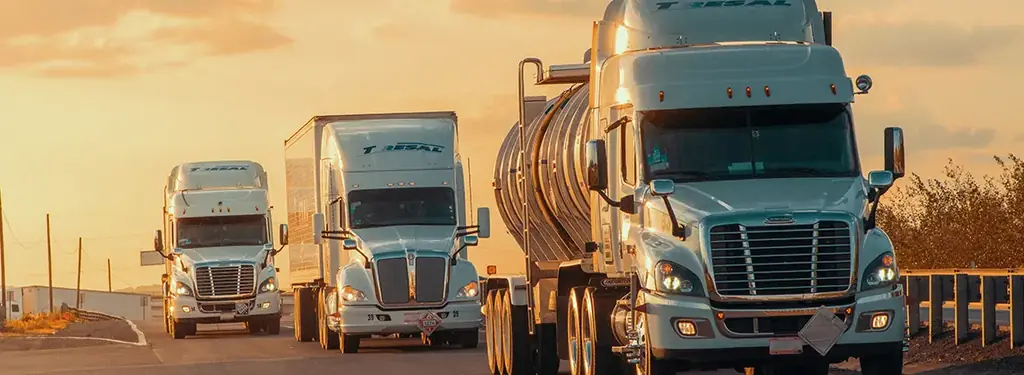
TRESAL (Transportes Especializados del Altiplano, S. de R. L. de C. V.) transports soybean oil in bulk in food-grade stainless steel tank trucks, with nationwide coverage from its bases in Cuautitlán Izcalli —part of the Greater Mexico City area— and San Luis Potosí. Every shipment travels in a dedicated unit under food-hygiene practices.
What is soybean oil and what is it used for?
Soybean oil is an edible vegetable oil extracted from the soybean (Glycine max). Its commercial form is usually refined, bleached and deodorized (RBD), which gives it a light color, neutral flavor and stability. It is one of the most produced and consumed vegetable oils in the world.
Uses of soybean oil
In the food industry it is a first-tier raw material; in the chemical and energy industries it is a versatile renewable input:
- Food: cooking oil, frying, margarine, mayonnaise, dressings, snacks and processed foods.
- Soy lecithin (emulsifier E322), obtained during processing.
- Biodiesel and oleochemicals, as a renewable vegetable-oil source.
- Paints, inks and plant-based coatings.
- Animal and pet feed.
How is soybean oil safely transported in bulk?
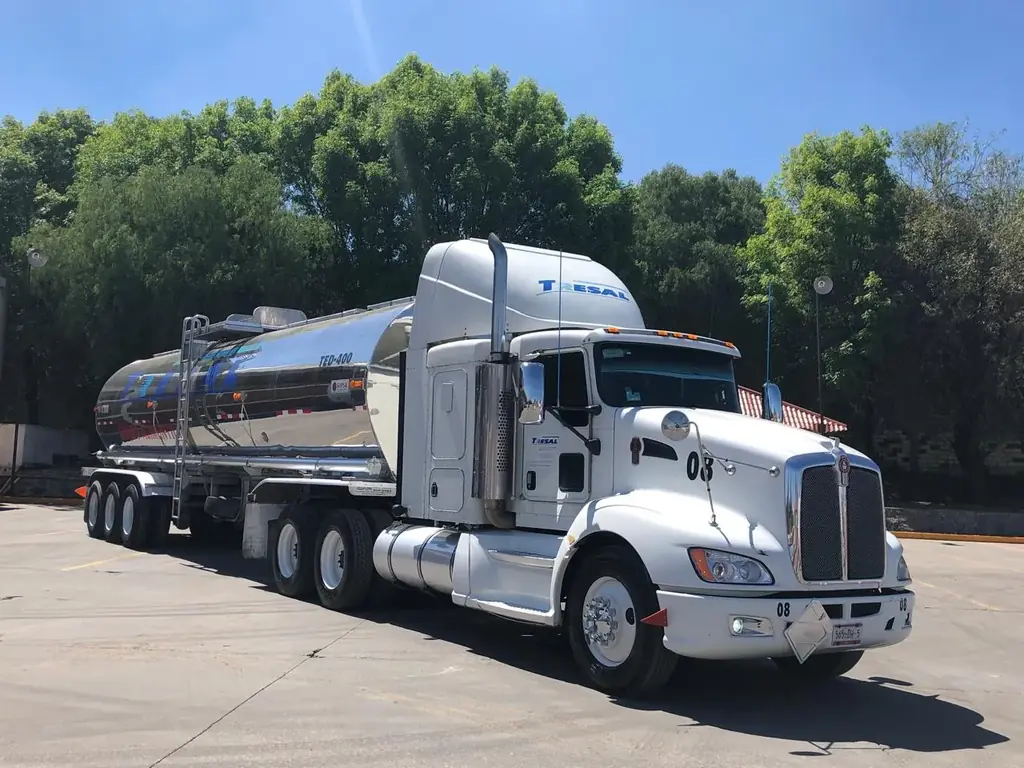
Soybean oil is moved in a food-grade stainless steel tank truck (grade 304 is suitable for vegetable oils) in a dedicated unit, without consolidating third-party freight, to prevent cross-contamination. TRESAL delivers door to door with the traceability we give every shipment. See our full guide to food-grade bulk transport, which also covers 304 vs. 316L stainless steel.
Food-safety standards we meet when transporting soybean oil
At TRESAL we align every soybean oil shipment with the applicable hygiene regulations:
- NOM-251-SSA1-2009 — Mexico’s hygiene-practices standard for the processing of food, beverages and dietary supplements; its transport section requires clean vehicles free from contamination. Enforced by COFEPRIS.
- NMX-F-223-SCFI-2011 — Mexican standard for edible vegetable oil (specifications).
- Codex Alimentarius (FAO/WHO) — international standard for specified vegetable oils (CXS 210-1999).
How do we wash tank trucks for food cargo?
Between loads we wash with high-pressure hot water in a single pass, using clean water on each pass to prevent cross-contamination. We document every wash and, for food-grade and Kosher cargo, we apply a final steam step. We operate under ISO 9001:2015 and with criteria equivalent to the international tank-cleaning standard (EFTCO). More detail on our tank truck washing service.
Frequently asked questions
What kind of tank is used to transport soybean oil in bulk?
A food-grade stainless steel tank truck (grade 304), in a dedicated unit and with a washing record, to preserve the oil’s safety and quality.
Does soybean oil require a dedicated tank?
Yes. TRESAL transports it in a dedicated unit, without consolidating third-party freight, and with documented washing between shipments in line with NOM-251-SSA1-2009.
References
- NOM-251-SSA1-2009 (platiica, Ministry of Economy)
- NMX-F-223-SCFI-2011 (Ministry of Economy)
- Codex Alimentarius — oils standards (FAO/WHO)
- COFEPRIS
- EFTCO — European Federation of Tank Cleaning Organisations
Learn more: food-grade bulk transport in Mexico · tank truck washing · certifications.
We also transport
Last updated: July 10, 2026