
'/%3E%3Cpath%20fill='%2330c2dc'%20d='M493%20379c-14-6%2010-16%2014-16-8-1-21%203-27%203l-57-3c-7-1-12-10-10-10-3%203-37-9-27%200l9%2014c15-3%2030%208%2013%2014%203%200%2057-4%2085-2'/%3E%3Cpath%20fill='%23f9aa51'%20d='M475%20366v13q-1%207-7%207h-35q-6-1-7-7v-13q0-6%207-7h35q7%201%207%207'/%3E%3Cpath%20fill='%230c8489'%20d='M388%20335c-11%205-28-12-25-24%203-13%2028-2%2029%2014%207-2%2020%202%2025%207%209-11%2038-3%2041%2010%2011-13%2028-9%2034-3%2013-10%2033-4%2030%207-3%2012-29%2015-37%206-1%201-20%200-22%2016h-11c-3-4-2-14-1-15-11%204-29-3-34-10-7%204-25-1-29-8'/%3E%3Cpath%20fill='%23fcca3d'%20d='m419%20304-3%203c-7-4-11%208-19-2-2-3-3-10%205-16%205-3%2018-5%2019%200%203%206%207%206%204%209l4%203v9zm56%2031c-15%204-16%209-15%2012q-7-6-1-10c-9-8-10%206-8-6%201-8%2024%205%2018-15h9q-1%2015%2017%2019c0%2024%202-3-6%205-2%200-5-6-14-5'/%3E%3Cpath%20fill='%238f4620'%20d='M418%20268c-4-24%2020-46%202-44-16%201-18-2-18-2-6-7%2010-11%209-20q2%2011%205-4c2%206%204%208%205-3%205%207%2017%205%2025%2010q-3-6-10-11c-12-11%2012-9%2012-9%2033-11%2044%2012%2061%2012-17%203%2013-2%2038%2058-18-11%2012-1-7%2067%200%200-45-57-36-39-10-5-20-18-20-18-11%203-2%204-1%2020%200%200%2043%2030%2045%2036%201%206-10%204-25%207-16%202-23-20-22-10s-16%205-16%205-19-29-19-9c-39-3-20-15-20-15s10%202%208-2c-2-3-12-4-16-29m-7-66'/%3E%3Cpath%20fill='%23f9c83a'%20d='M407%20220c10%203%2015-3%2016%204%204%204-22%209-19%2014-7%203-18-10-5-16%201-5%206-3%206-3l6-8q3%207-4%209'/%3E%3Cpath%20fill='%23a8ac71'%20d='M403%20309c-15%201-19%205-23-16-18-16-8-25-7-28%201-8-12-11-15-10-1-8%2022-1%2021%209-1%209-7%2011%206%2024%205%204%203%2014%2011%2011-1%204%203%2010%207%2010m6-18c10-8-24%202-26-24-1-15%2027-22%2023-34l-5-3q1-4%207-3c19%2015-11%2027-14%2038-4%2024%2031-5%2025%2029l-3%205q-7-4-7-8m-11-54c-25%206-23-35-7-35%201%2020-15%2015%205%2015-8%200-13%2011-3%2012q1%206%205%208'/%3E%3C/svg%3E)

Ethanol Transport
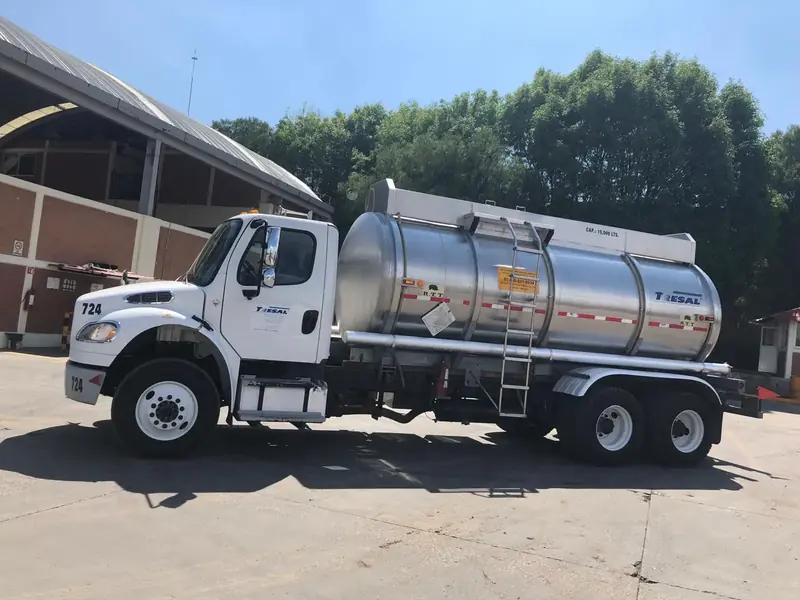
Bulk ethanol transport across Mexico with dedicated stainless-steel tank trucks, regulatory compliance and nationwide coverage since 1988.
TRESAL (Transportes Especializados del Altiplano, S. de R. L. de C. V.) transports ethanol (ethyl alcohol, C₂H₅OH, UN1170, Class 3 flammable liquid) in bulk across Mexico in dedicated stainless-steel tank trucks with full regulatory compliance. We have operated since 1988 with nationwide coverage and ISO 9001:2015 certification.
Who transports bulk ethanol in Mexico?
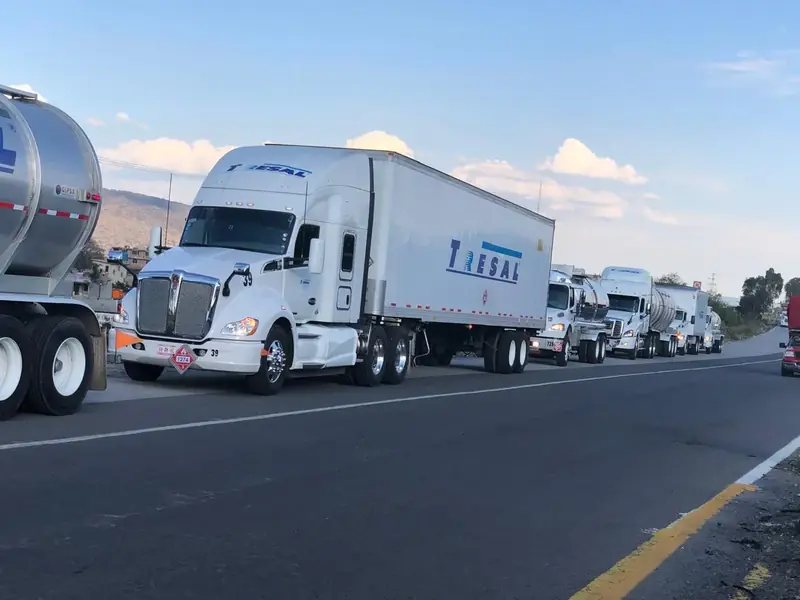
TRESAL transports ethanol for Mexican industry in dedicated stainless-steel tank trucks, without consolidating third-party freight, with nationwide coverage from its bases in Cuautitlán Izcalli (Greater Mexico City) and San Luis Potosí.
What is ethanol used for?
Ethanol (ethyl alcohol) is a widely used solvent and disinfectant: in hand sanitizer and antibacterial gel, in the pharmaceutical and cosmetic industry, in beverages, as a biofuel and as a chemical feedstock. TRESAL also transports food-grade ethanol with the hygiene that use requires.
Source for uses: PubChem (National Library of Medicine).
How is ethanol transported safely?
Ethanol is a highly flammable liquid (flash point ~13 °C) miscible in water, with a flame that can be nearly invisible. It requires a dedicated stainless-steel unit, bonding and grounding, ignition-source control, segregation from oxidizers, spill prevention, verified washing and —for food grade— verified compatibility with the previous load.
References: NIOSH Pocket Guide (CDC) · transport framework NOM-002-SCT/2011.
What handling precautions does ethanol require?
Ethanol is flammable and irritates the eyes, skin and respiratory tract; inhaling its vapors can cause dizziness or drowsiness. TRESAL personnel use appropriate PPE, keep the area ventilated, control ignition sources and spills, and follow emergency procedures.
Reference: NIOSH Pocket Guide (CDC).
Does TRESAL issue the safety data sheet (SDS)?
No. Under NOM-018-STPS-2015, the safety data sheet (SDS) is prepared by and is the responsibility of the manufacturer or importer of the chemical, not the carrier. As a carrier, TRESAL obtains the SDS from the shipper of each load and carries it on board for reference and emergency response; we neither issue nor replace that document. This separation of responsibilities is part of the regulatory compliance we provide.
Official source: NOM-018-STPS-2015 (Secretaría de Economía). In a transport emergency: SETIQ line 800 00 214 00.
More: hazardous materials transport · SICT regulations and NOMs guide for Mexico.
We also transport
Last updated: July 10, 2026