'/%3E%3Cpath%20fill='%2330c2dc'%20d='M493%20379c-14-6%2010-16%2014-16-8-1-21%203-27%203l-57-3c-7-1-12-10-10-10-3%203-37-9-27%200l9%2014c15-3%2030%208%2013%2014%203%200%2057-4%2085-2'/%3E%3Cpath%20fill='%23f9aa51'%20d='M475%20366v13q-1%207-7%207h-35q-6-1-7-7v-13q0-6%207-7h35q7%201%207%207'/%3E%3Cpath%20fill='%230c8489'%20d='M388%20335c-11%205-28-12-25-24%203-13%2028-2%2029%2014%207-2%2020%202%2025%207%209-11%2038-3%2041%2010%2011-13%2028-9%2034-3%2013-10%2033-4%2030%207-3%2012-29%2015-37%206-1%201-20%200-22%2016h-11c-3-4-2-14-1-15-11%204-29-3-34-10-7%204-25-1-29-8'/%3E%3Cpath%20fill='%23fcca3d'%20d='m419%20304-3%203c-7-4-11%208-19-2-2-3-3-10%205-16%205-3%2018-5%2019%200%203%206%207%206%204%209l4%203v9zm56%2031c-15%204-16%209-15%2012q-7-6-1-10c-9-8-10%206-8-6%201-8%2024%205%2018-15h9q-1%2015%2017%2019c0%2024%202-3-6%205-2%200-5-6-14-5'/%3E%3Cpath%20fill='%238f4620'%20d='M418%20268c-4-24%2020-46%202-44-16%201-18-2-18-2-6-7%2010-11%209-20q2%2011%205-4c2%206%204%208%205-3%205%207%2017%205%2025%2010q-3-6-10-11c-12-11%2012-9%2012-9%2033-11%2044%2012%2061%2012-17%203%2013-2%2038%2058-18-11%2012-1-7%2067%200%200-45-57-36-39-10-5-20-18-20-18-11%203-2%204-1%2020%200%200%2043%2030%2045%2036%201%206-10%204-25%207-16%202-23-20-22-10s-16%205-16%205-19-29-19-9c-39-3-20-15-20-15s10%202%208-2c-2-3-12-4-16-29m-7-66'/%3E%3Cpath%20fill='%23f9c83a'%20d='M407%20220c10%203%2015-3%2016%204%204%204-22%209-19%2014-7%203-18-10-5-16%201-5%206-3%206-3l6-8q3%207-4%209'/%3E%3Cpath%20fill='%23a8ac71'%20d='M403%20309c-15%201-19%205-23-16-18-16-8-25-7-28%201-8-12-11-15-10-1-8%2022-1%2021%209-1%209-7%2011%206%2024%205%204%203%2014%2011%2011-1%204%203%2010%207%2010m6-18c10-8-24%202-26-24-1-15%2027-22%2023-34l-5-3q1-4%207-3c19%2015-11%2027-14%2038-4%2024%2031-5%2025%2029l-3%205q-7-4-7-8m-11-54c-25%206-23-35-7-35%201%2020-15%2015%205%2015-8%200-13%2011-3%2012q1%206%205%208'/%3E%3C/svg%3E)

Type E License Mexico: Complete Guide 2026
Mexico’s Federal Type E License — Everything You Need to Know
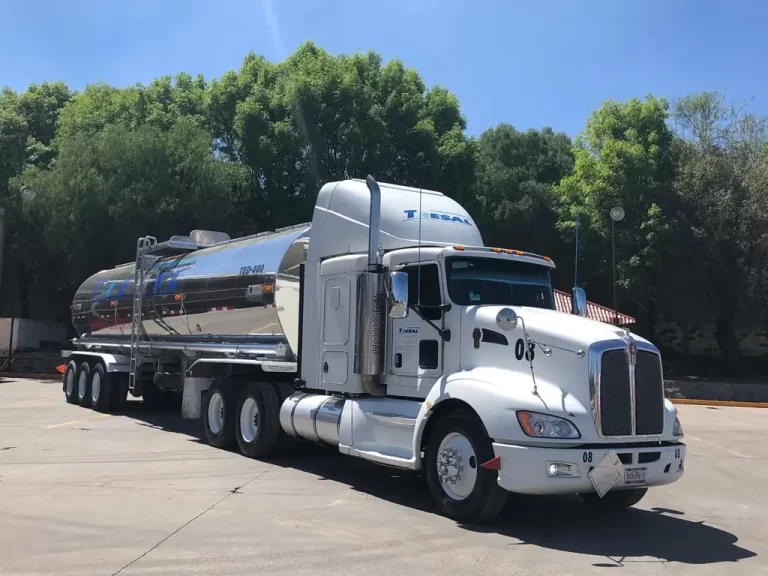
The type E license is the federal permit that authorizes a commercial driver to operate vehicles transporting hazardous materials and hazardous waste on Mexico’s federal highways. Without it, no driver can legally operate a tank truck, tanker, or any unit carrying chemicals classified as dangerous.
This guide covers the current requirements for 2026, the step-by-step process, where to get trained, and how to renew on time.
What Is the Federal Type E License?
The Federal Driver’s License Type E is issued by Mexico’s SICT (Secretaría de Infraestructura, Comunicaciones y Transportes). It belongs to the federal licensing system that governs who can operate freight vehicles across the country.
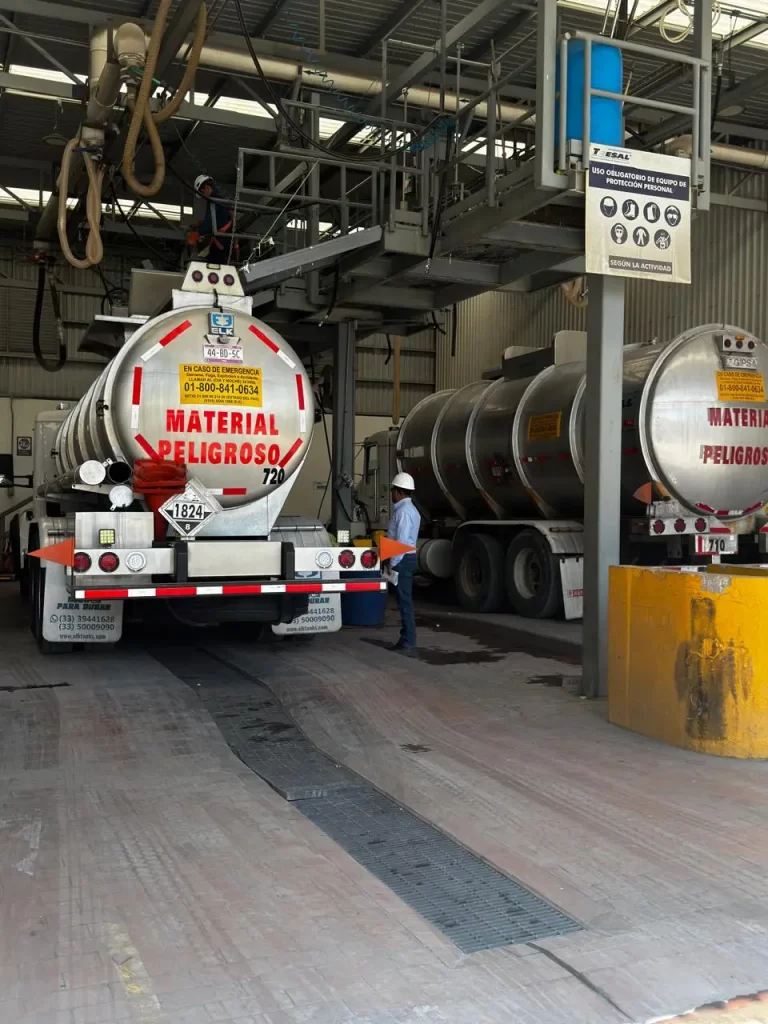
Category E specifically authorizes the operation of vehicles transporting hazardous materials and hazardous waste, as classified by the United Nations system and Mexican regulations. This includes substances across all 9 hazard classes, from explosives and gases to flammable liquids, toxic substances, radioactive materials, and corrosives.
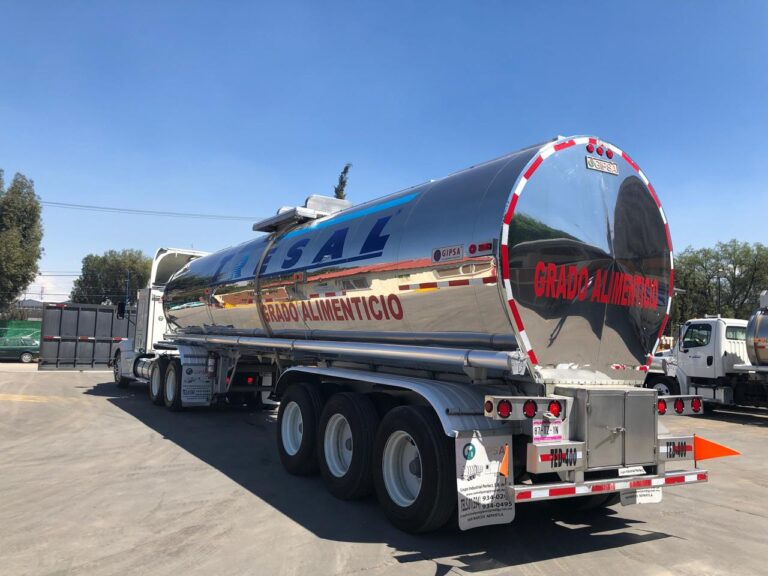
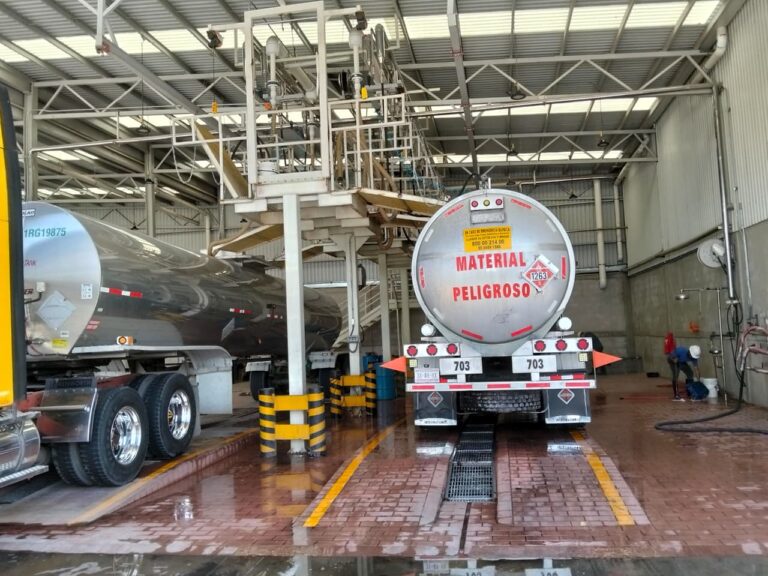
In practice, every driver operating a stainless steel tank truck, fuel tanker, or any unit carrying bulk chemicals on federal highways must hold a valid type E license.
Types of Federal Driver’s Licenses in Mexico
SICT issues several categories of federal driver’s licenses.
Category A — General freight carrier operator.
Category B — Passenger transport operator.
Category C — Tourism transport operator.
Category D — Private transport operator.
Category E — Operator of vehicles transporting hazardous materials and hazardous waste. This category has the most demanding training requirements.
Category F — Specialized oversized/overweight loads.
The type E license is the only category that legally enables transport of hazardous substances under NOM-002-SCT/2011.
Who Needs a Type E License?
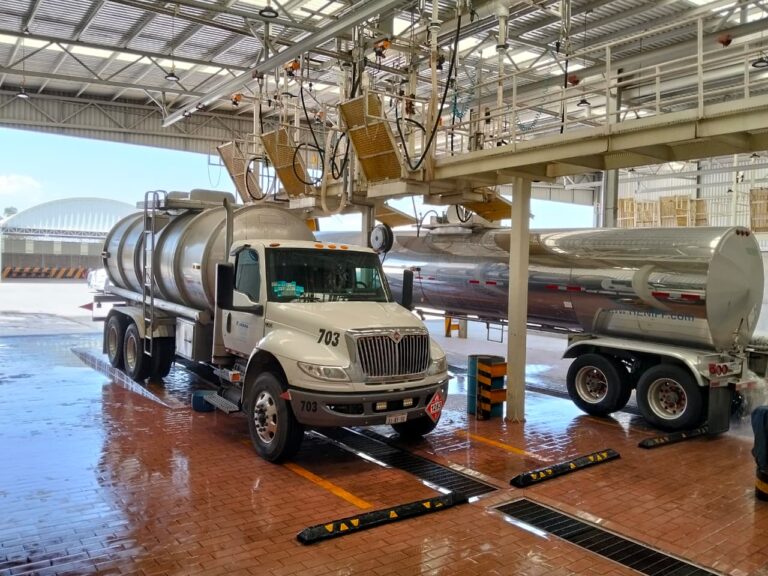
You need a type E license if you operate any of these vehicles on federal highways: stainless steel or carbon steel tank trucks carrying liquid chemicals, semi-trailers with ISO-tank containers for hazardous substances, rigid trucks with integrated tanks for chemical distribution, and any federal freight vehicle carrying hazardous materials under NOM-002-SCT/2011 and NOM-011-SCT2/2012.
This applies to drivers employed by transport companies and to drivers of companies that move their own hazardous products.
Requirements for Obtaining the Type E License in 2026
Personal requirements
Be at least 18 years old, be literate, have a CURP and birth certificate, present a psychophysical fitness certificate from a SICT-authorized physician, and have no history of license suspension.
Training requirements
Complete a training course in the Hazardous Materials and Hazardous Waste modality from a SICT-accredited training center. This is the most important requirement.
Documentation
Application form, valid government ID, proof of address, CURP, photographs, and training certificate from the accredited center.
Medical examination
The psychophysical fitness certificate verifies appropriate physical and mental condition. It covers vision, hearing, reflexes, and overall health.
Step-by-Step Process
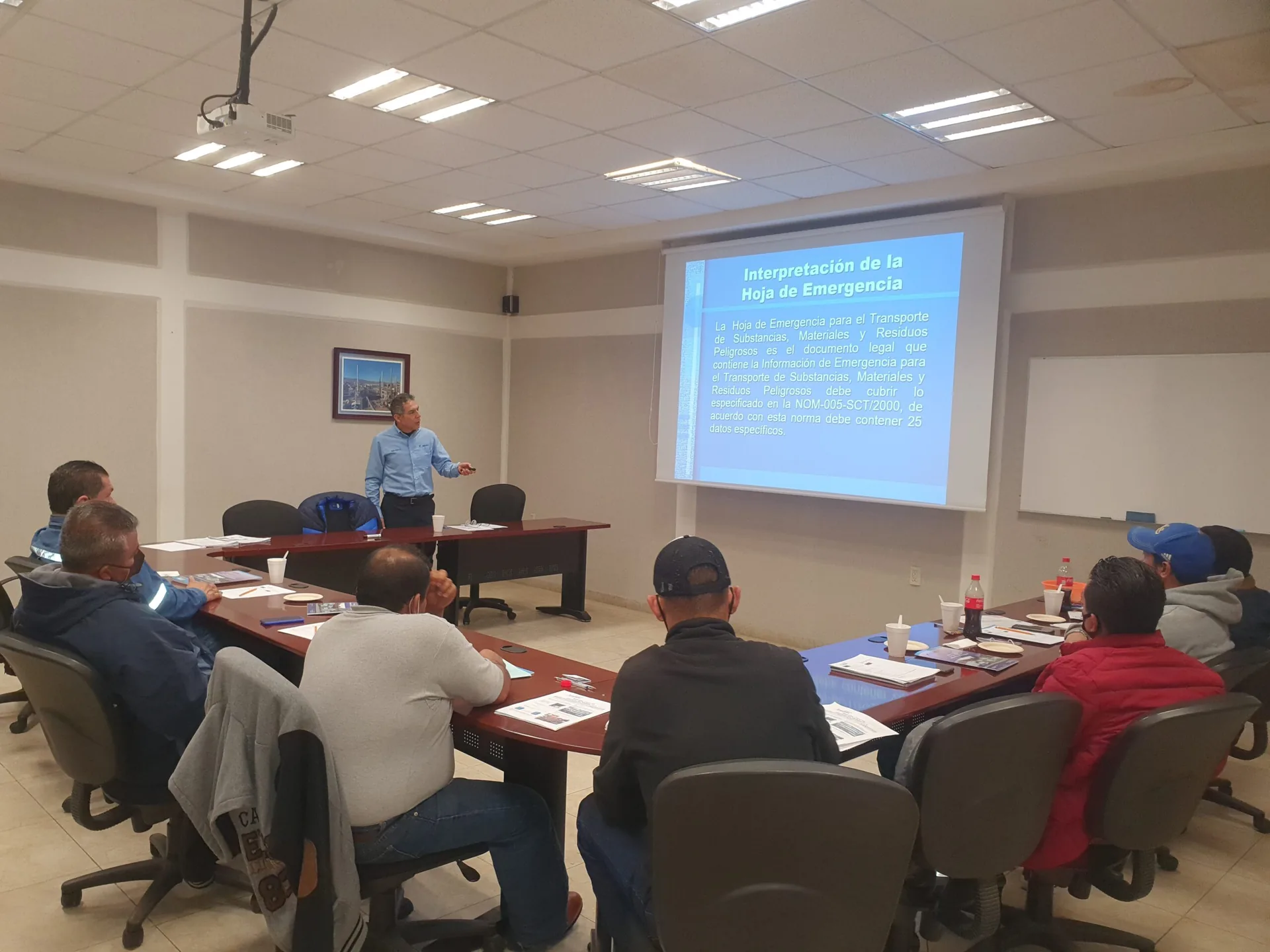
Step 1 — Complete the training course. Enroll at a SICT-accredited center. The course lasts approximately 5 days (40 hours) for new applicants, covering regulations, hazmat classification, emergency procedures, PPE, Carta Porte documentation, and first aid.
Step 2 — Obtain your training certificate. The center issues a certificate with official validity before SICT.
Step 3 — Complete the medical exam. Visit a SICT-authorized physician for your psychophysical fitness certificate.
Step 4 — Gather documentation. Prepare all required documents including your training and medical certificates.
Step 5 — Apply at SICT. Submit complete documentation at the corresponding SICT office. Includes federal fee payment.
Step 6 — Receive your license. SICT issues the type E license once documentation is approved.
How Much Does the Type E License Cost?
The cost includes the training course (varies by center, typically includes materials and certification), federal fees (set by the Federal Fee Law, updated annually), and the medical exam. It is an investment that pays for itself quickly given high demand for licensed operators in Mexico’s chemical transport sector.
Renewing the Type E License
Renewal requires a refresher course (approximately 3 days / 24 hours) at a SICT-accredited center, updated medical certificate, and processing before expiration. Operating with an expired type E license carries penalties for both driver and company per NOM-012-SCT-2-2017.
Where to Get Trained for the Type E License
SICT maintains a registry of accredited training centers nationwide. Verify the center holds a current SICT accreditation number, offers the Hazardous Materials and Hazardous Waste modality, and has proven industry experience.
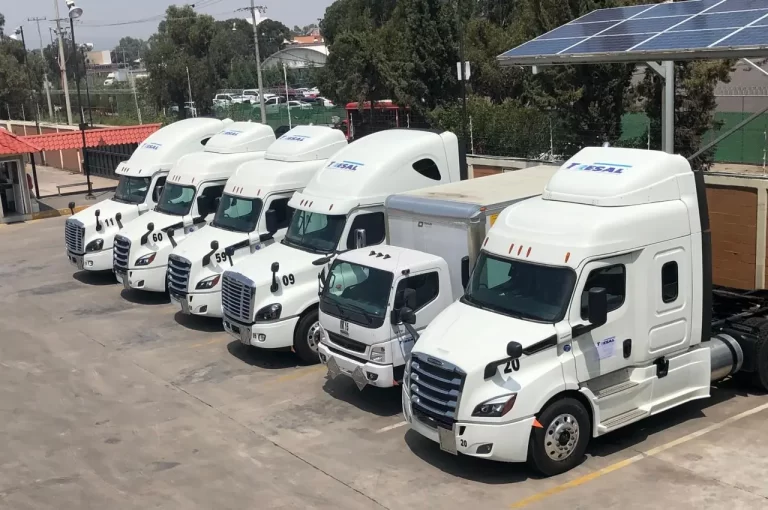
TRESAL operates a Training Center accredited by SICT under number SCT.CC/000096. With over 1,000 trained operators and 38 years of experience in chemical transport, the program combines classroom instruction with real-world operational knowledge.
Available courses include Federal License Category E — Initial (5 days), Federal License Category E — Renewal (3 days), and Hazardous Materials and Waste Handling. Training takes place in Cuautitlán Izcalli, State of Mexico, certified under ISO 9001:2015.
| Category | Authorizes |
|---|---|
| A | Federal general cargo motor carrier operation. |
| B | Federal passenger transport operation. |
| C | Federal tourism transport operation. |
| D | Private transport: companies moving their own goods. |
| E | Hazardous materials and waste. The category with the highest training requirements. |
| F | Specialized cargo of indivisible objects of great weight or volume. |
“At TRESAL our commitment is to provide our clients with Hazardous Materials, Food and General Cargo Transportation services, as well as Driver Training, that allow us to contribute to the safety of their processes.”
TRESAL Quality Policy, ISO 9001:2015 system
References
Mexico
1. Federal Driver’s License (Licencia Federal de Conductor) — SICT / DGAF. Official tramite page (SICT-03-028-A) with requirements, documentation, and fees.
2. Official decree establishing federal driver’s license categories — DOF / SEGOB. Legal basis for the Category E license: age requirement (21), mandatory training, and validity periods.
3. Category E training program curriculum — SICT/DGAF. Full content of the 8 mandatory modules: legislation, hazmat classification, documentation, and emergency response.
4. “SICT Federal License Types: Guide for Carriers” — Transporte.mx, 2024. Practical guide by category with requirements, costs, and processing centers.
5. NOM-002-SCT/2011 — Official list of most commonly transported hazardous substances. Mandatory reference for Category E driver training.
6. NOM-004-SCT/2008 — Identification systems for vehicles transporting hazardous materials. PLATIICA portal.
7. NOM-011-SCT2/2012 — Requirements for transporting hazardous materials in limited quantities. PLATIICA portal.
8. NOM-012-SCT-2-2017 — Maximum weight and dimensions for vehicles on federal roads. PLATIICA portal.
United States
9. FMCSA — Commercial Driver’s License (CDL) — U.S. DOT. American equivalent: CDL with HazMat endorsement (H), requiring TSA background check and specialized exam.
Canada
10. Transport Canada — Dangerous Goods — Canadian TDG framework. Requires certification for all personnel handling dangerous goods, harmonized with UN Model Regulations.
France / European Union
11. ADR — European driver certification — UNECE. ADR requires a training certificate for dangerous goods drivers, renewable every 5 years. European equivalent of Mexico’s Category E license.
Frequently Asked Questions
Can I drive a tank truck with a Category A license?
No. Category A covers general freight only. Transporting hazardous substances requires specifically the type E license.
Does the type E license cover all hazard classes?
Yes. It covers all 9 UN hazard classes. There are no sub-categories by hazard class.
What happens if I operate without a valid type E license?
Penalties include fines for driver and company, possible vehicle detention, and criminal liability in case of incident. SICT and the National Guard conduct highway checks.
Can I take the training course online?
No. SICT regulations require in-person training at accredited centers, including practical components.
How long does it take to get the type E license from scratch?
Considering training (5 days), medical exam (1 day), and SICT processing, the complete process takes 2 to 4 weeks.
Is the type E license valid throughout Mexico?
Yes. It is a federal license valid on all federal highways nationwide.
Applicable Regulations
The regulatory framework includes the Federal Roads, Bridges, and Motor Transport Law, the Federal Motor Transport Regulation, NOM-002-SCT/2011, NOM-011-SCT2/2012, NOM-012-SCT-2-2017, and NOM-004-SCT/2008.
Published by Michel Cohen, Director General of TRESAL — 38 years transporting bulk chemicals across Mexico. TRESAL operates an accredited Training Center (SCT.CC/000096) with ISO 9001:2015 certification.