'/%3E%3Cpath%20fill='%2330c2dc'%20d='M493%20379c-14-6%2010-16%2014-16-8-1-21%203-27%203l-57-3c-7-1-12-10-10-10-3%203-37-9-27%200l9%2014c15-3%2030%208%2013%2014%203%200%2057-4%2085-2'/%3E%3Cpath%20fill='%23f9aa51'%20d='M475%20366v13q-1%207-7%207h-35q-6-1-7-7v-13q0-6%207-7h35q7%201%207%207'/%3E%3Cpath%20fill='%230c8489'%20d='M388%20335c-11%205-28-12-25-24%203-13%2028-2%2029%2014%207-2%2020%202%2025%207%209-11%2038-3%2041%2010%2011-13%2028-9%2034-3%2013-10%2033-4%2030%207-3%2012-29%2015-37%206-1%201-20%200-22%2016h-11c-3-4-2-14-1-15-11%204-29-3-34-10-7%204-25-1-29-8'/%3E%3Cpath%20fill='%23fcca3d'%20d='m419%20304-3%203c-7-4-11%208-19-2-2-3-3-10%205-16%205-3%2018-5%2019%200%203%206%207%206%204%209l4%203v9zm56%2031c-15%204-16%209-15%2012q-7-6-1-10c-9-8-10%206-8-6%201-8%2024%205%2018-15h9q-1%2015%2017%2019c0%2024%202-3-6%205-2%200-5-6-14-5'/%3E%3Cpath%20fill='%238f4620'%20d='M418%20268c-4-24%2020-46%202-44-16%201-18-2-18-2-6-7%2010-11%209-20q2%2011%205-4c2%206%204%208%205-3%205%207%2017%205%2025%2010q-3-6-10-11c-12-11%2012-9%2012-9%2033-11%2044%2012%2061%2012-17%203%2013-2%2038%2058-18-11%2012-1-7%2067%200%200-45-57-36-39-10-5-20-18-20-18-11%203-2%204-1%2020%200%200%2043%2030%2045%2036%201%206-10%204-25%207-16%202-23-20-22-10s-16%205-16%205-19-29-19-9c-39-3-20-15-20-15s10%202%208-2c-2-3-12-4-16-29m-7-66'/%3E%3Cpath%20fill='%23f9c83a'%20d='M407%20220c10%203%2015-3%2016%204%204%204-22%209-19%2014-7%203-18-10-5-16%201-5%206-3%206-3l6-8q3%207-4%209'/%3E%3Cpath%20fill='%23a8ac71'%20d='M403%20309c-15%201-19%205-23-16-18-16-8-25-7-28%201-8-12-11-15-10-1-8%2022-1%2021%209-1%209-7%2011%206%2024%205%204%203%2014%2011%2011-1%204%203%2010%207%2010m6-18c10-8-24%202-26-24-1-15%2027-22%2023-34l-5-3q1-4%207-3c19%2015-11%2027-14%2038-4%2024%2031-5%2025%2029l-3%205q-7-4-7-8m-11-54c-25%206-23-35-7-35%201%2020-15%2015%205%2015-8%200-13%2011-3%2012q1%206%205%208'/%3E%3C/svg%3E)

Kosher Tank Truck Washing in Mexico: What It Is, Who Needs It, and How It Works
The global kosher food market exceeds USD 40 billion and is growing at 6–7% annually, according to Expert Market Research and Persistence Market Research estimates. Mexico is one of Latin America’s leading kosher product exporters. KA Kosher, a certifying agency founded by Mexico’s Ashkenazi community, reports certifying close to 500 companies, most of them export-oriented. El Financiero has documented that Mexico accounts for roughly 5% of global kosher export products, with the United States as the primary destination.
But kosher certification does not end at the production facility. Bulk transport in tank trucks is a critical link where kosher status can be lost, or maintained. Here we explain how kosher tank truck washing works, what types exist, and why it matters for the supply chain in Mexico.
What is kosher tank truck washing?
Kosher washing is an interior cleaning procedure that complies with halacha (Jewish law) to ensure a tank truck is suitable for transporting kosher-certified products. The Orthodox Union (OU), one of the world’s most recognized kosher certifying agencies, explains that there are two distinct types of kosher tank washes:
1. Kosher Maintenance Wash
This wash applies to units that already have kosher status and only need to maintain it between loads. According to the OU, the primary requirement is that the certified wash facility use a one-pass water system, meaning it does not recycle water from one tank truck to another. Recycled water from a non-kosher unit could compromise a kosher unit. A maintenance wash does not convert a non-kosher unit to kosher; it simply preserves existing status.
2. Kosherization or Upgrade Wash
Kosherization, also called kashering, is a more rigorous process supervised by a mashgiach (certified rabbinic supervisor). According to the OU, kosherization is required when:
- Inducting a previously used vessel into kosher service where the history is unknown or non-kosher
- Returning a vessel that temporarily left kosher service
- After hauling heated dairy products and the unit is needed for non-dairy service
- After carrying a dairy load for 24 consecutive hours
The process involves high-temperature washing protocols with specific times and methods defined by the certifying agency. Exact technical details vary depending on the supervising rabbinic authority, the type of previous cargo, and the product to be transported next.
Who needs kosher tank truck washing in Mexico?
Tank truck kosherization is required when the end customer or destination market demands kosher certification across the entire supply chain. According to The Food Tech, demand for kosher-labeled products has grown exponentially in markets such as Europe and the United States, even surpassing other specialized certifications. In Mexico, companies like Grupo Herdez, Alpura, Bimbo, and various tequila producers already hold kosher certification.
Sectors that typically require transport in kosherized tank trucks include:
- Food industry: Manufacturers of ingredients, edible oils, syrups, flavorings, and additives exporting to markets where a kosher seal is a commercial requirement. Products such as oils, vinegars, liquid sugars, and alcohol require kosher transport according to the COR (Kashruth Council of Canada).
- Pharmaceutical and cosmetics industry: Glycerin, fatty acids, and fatty alcohols derived from animal or vegetable sources require special attention to ensure only kosher material is transported, as noted by the COR in its guide on kosher tankers.
- Export trading companies: Businesses purchasing bulk ingredients in Mexico for resale in the United States, Israel, or Europe, where a kosher certificate is a purchase condition.
What kosher washing is NOT
It is important to clarify common misconceptions. OK Kosher Certification points out that kosher rules extend beyond ingredients and products: non-kosher bulk product transported in an otherwise kosher vessel will usually render the cargo non-kosher. And as the COR notes, many people mistakenly believe that kosherizing a tank simply involves a rabbi giving a blessing. In reality, it is a documented technical process that includes cargo history inspection, washing under specific protocols, and independent verification.
Difference between food-grade washing and kosher washing
These concepts are often confused:
- Food-grade washing: In line with the food-transport hygiene requirements of NOM-251-SSA1-2009, Mexico’s standard on hygiene practices for the processing of food, beverages, and dietary supplements, and food industry standards. The process is backed by controls against chemical or microbiological contamination.
- Kosher maintenance wash: All of the above, PLUS documented control that the wash facility does not recycle water between units, preserving kosher status.
- Kosherization (upgrade): All of the above, PLUS high-temperature protocols, direct rabbinic supervision, and individual certification issued by the agency.
A tank truck with food-grade washing does not automatically have kosher status. But a kosherized tank truck does meet food-grade standards.
Certification, traceability, and documentation
Documentation is a pillar of kosher transport. According to the OU, the most confusing aspect of kosher trucking is often the documentation process needed to verify the maintained kosher status of the tanker. The system includes:
- Kosher wash ticket: Document issued by the certified wash facility. A maintenance ticket confirms that kosher status was preserved; an upgrade ticket confirms kosherization.
- Truck logs: The inspecting rabbi reviews cargo history, cross-referencing with the bill of lading for each haul.
- Agency certificate: Document with a unique control number identifying the unit by fleet number, plates, and VIN. The COR records each certified tanker in its database and places a visible decal on the unit.
- Scheduled and unscheduled inspections: Rabbis conduct regular audits and surprise visits to verify compliance.
This traceability protects both the carrier and the manufacturer during quality audits and import requirements.
The role of stainless steel in kosher washing
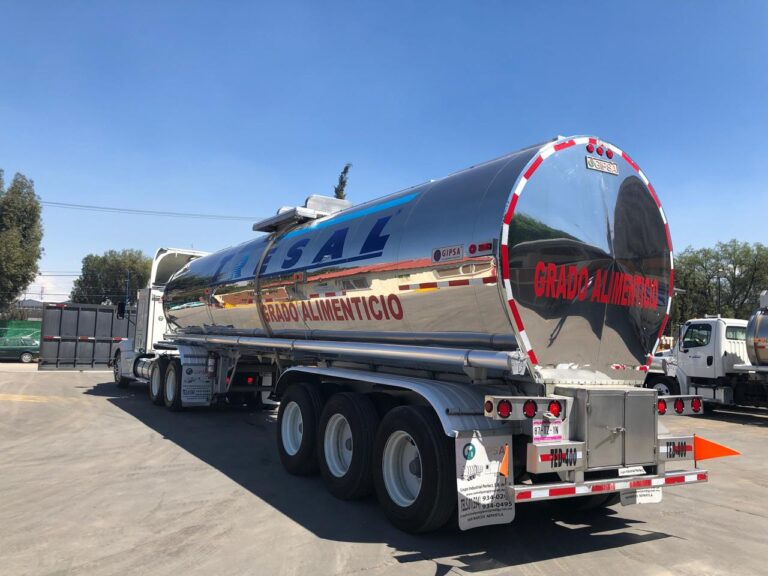
Stainless steel tank trucks, such as the 304 and 316L grades used by TRESAL, are particularly well-suited for kosher service. Stainless steel does not absorb residues the way other materials do, which facilitates both maintenance washes and kosherization processes. Certified wash facilities can effectively clean and kosherize stainless steel interior surfaces, including the couplings, hoses, and pumps that must also meet kosher standards, as noted by the COR. 100% of TRESAL’s tank truck fleet is built in stainless steel.
Where is kosher tank truck washing available in Mexico?
The availability of wash facilities with kosherization capability is limited in Mexico, especially considering that both the technical infrastructure and a relationship with a recognized certifying agency are required.
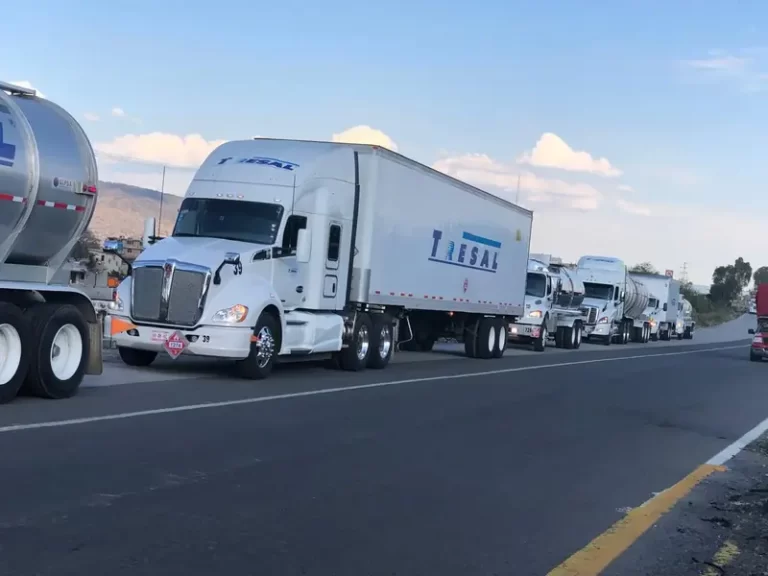
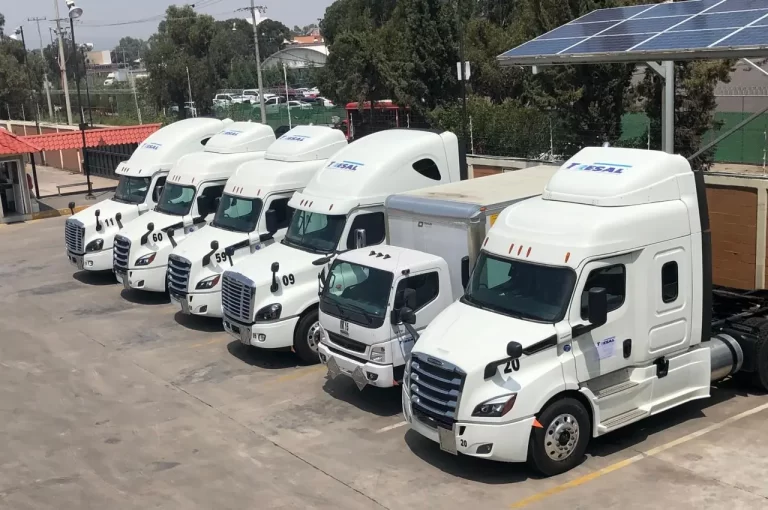
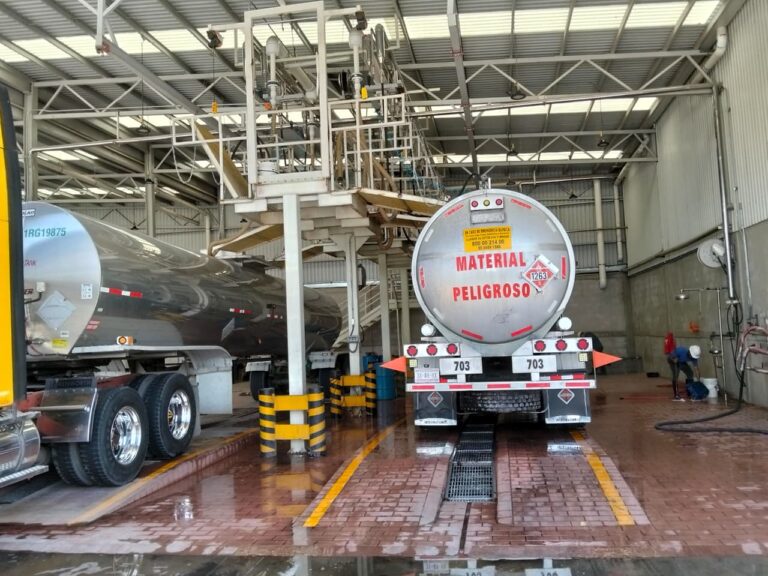
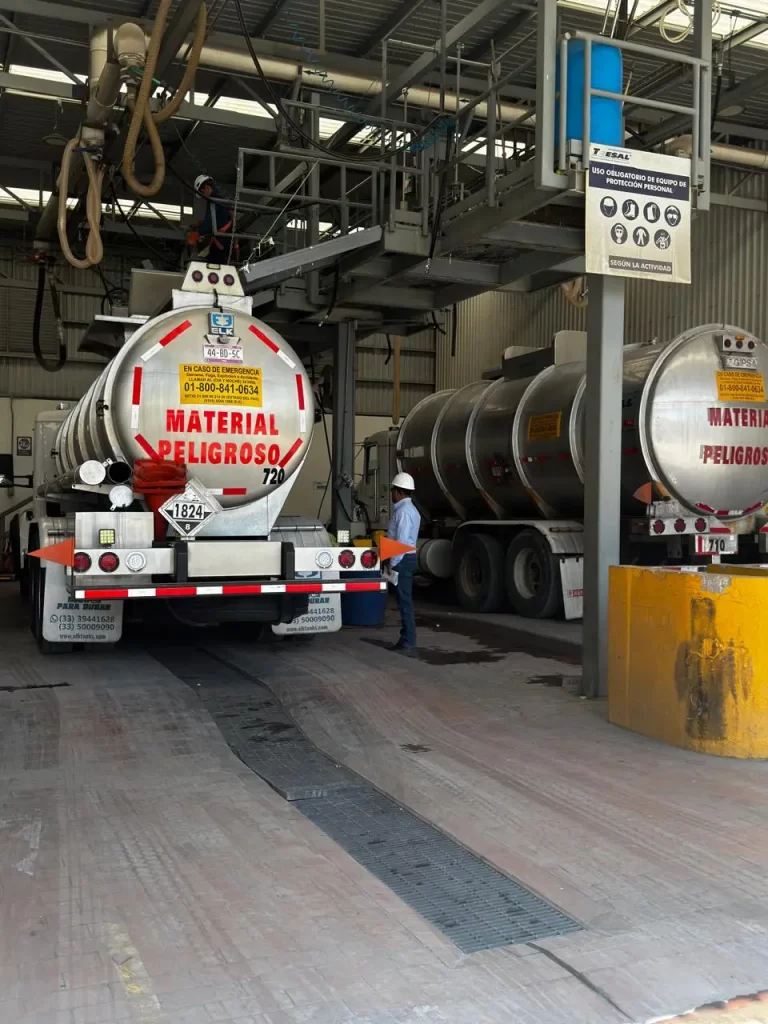
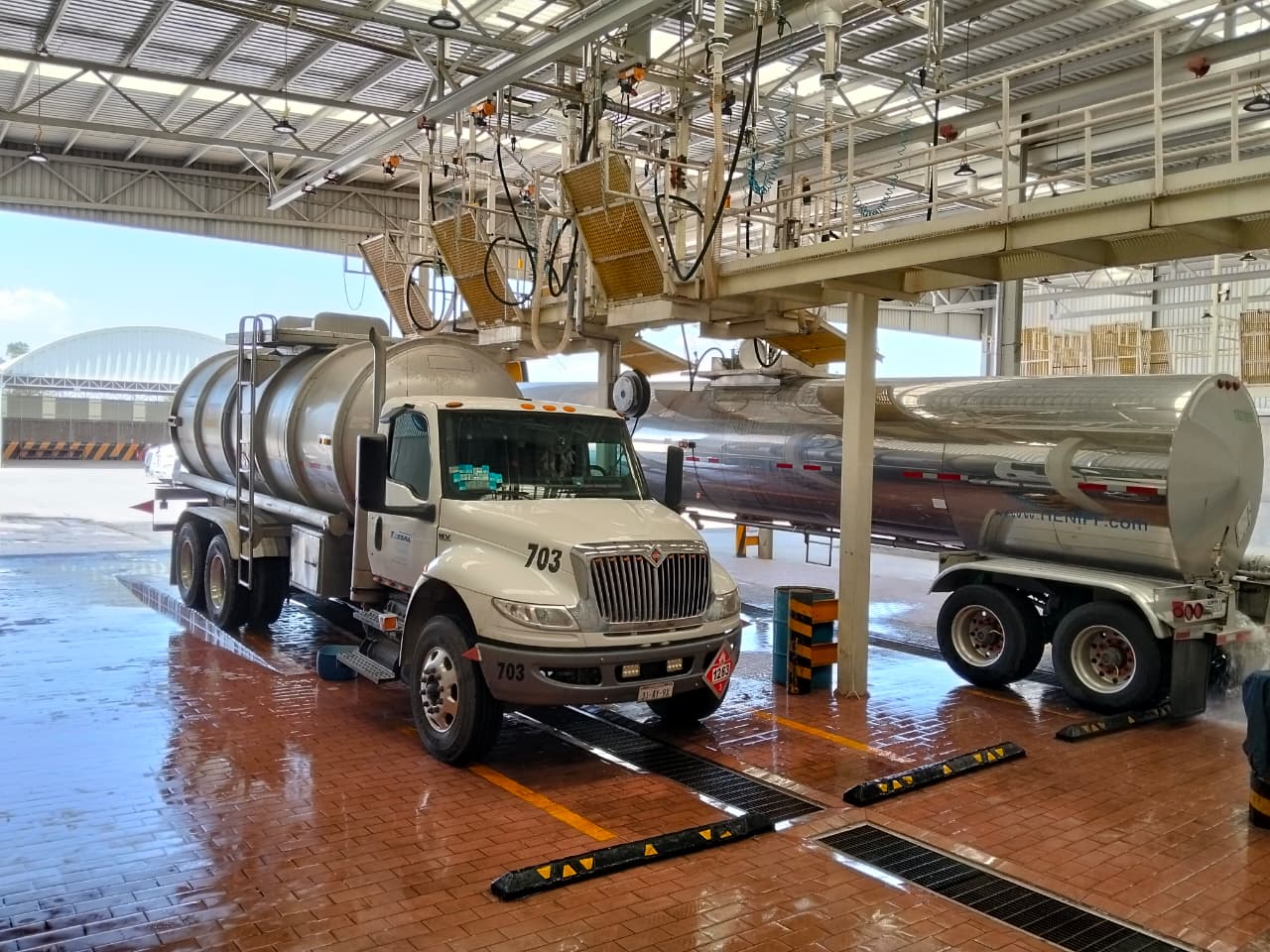
TRESAL, Transportes Especializados del Altiplano, operates two company-owned interior tank truck washing centers in Mexico: one in Cuautitlán Izcalli (State of Mexico) and one in San Luis Potosí, both equipped to perform chemical washing, food-grade washing, and kosherization of tank trucks with certification issued by a recognized rabbinical authority. The company backs these processes with 38 years of experience and with a quality management system certified under ISO 9001 in its transport operation for the past 12 years. The same compatibility matrix that governs which product may be loaded after which wash is applied at both plants, so that the client receives the same standard regardless of where the unit is processed. Both facilities serve TRESAL’s own fleet as well as third-party units, with documented records of every wash for traceability and client audit purposes.
These washing centers support TRESAL’s core business: the bulk transport of chemical products and Class 3 and Class 8 hazardous materials throughout Mexico, in addition to food-grade products.
Frequently asked questions
What is the difference between a kosher maintenance wash and kosherization?
A maintenance wash preserves the kosher status of a unit that already has it: it only requires a certified facility that does not recycle water. Kosherization (upgrade) is a more rigorous process that converts a non-kosher unit to kosher, requiring high-temperature protocols and direct rabbinic supervision.
Does each shipment need a new certificate?
The kosherization certificate remains valid as long as the unit stays in exclusive kosher service. If it transports a non-kosher product, it must be kosherized again. Maintenance washes between kosher loads preserve the status without requiring a full new kosherization.
Can I kosherize a tank truck that previously transported industrial chemicals?
It depends on the cargo history. The mashgiach reviews the trip logs for each load and evaluates the types of products transported. In general, tank trucks that carried food-grade chemicals, such as oils, syrups, or organic acids, can be approved for kosherization after a full upgrade process. However, units that transported petroleum derivatives, aggressive industrial solvents, or products with persistent residues may be permanently disqualified. The final determination rests with the certifying agency based on their technical and halachic evaluation.
Does kosher washing apply only to food products?
No. It also applies to pharmaceutical raw materials, glycerin, excipients, fatty acids, cosmetic ingredients, and any product whose supply chain requires kosher certification.
Which agencies certify kosher washing in Mexico?
Several internationally recognized agencies operate in Mexico, including KA Kosher (Vaad Hakashrut of the Ashkenazi community), KMD (Kosher Maguen David, with over 40 years of experience), OU Mexico, OK Kosher, and Star-K, among others.
Author: Michel Cohen, Director General of TRESAL, with 38 years of experience in specialized chemical and food-grade transport in Mexico.
| Washing level | What it includes | Status granted |
|---|---|---|
| Food-grade washing | NOM-251-SSA1-2009, food industry standards, and controls against chemical or microbiological contamination. | Does not grant kosher status by itself. |
| Kosher maintenance washing | All of the above, plus documented control that the center does not recycle water between units. | Preserves the unit’s kosher status. |
| Kosherization (upgrade) | All of the above, plus high-temperature protocols and direct rabbinical supervision. | Individual certification issued by the agency. |
“At TRESAL our commitment is to provide our clients with Hazardous Materials, Food and General Cargo Transportation services, as well as Driver Training, that allow us to contribute to the safety of their processes.”
TRESAL Quality Policy, ISO 9001:2015 system
References
Mexico
1. El Financiero — Kosher certification as an example
2. The Food Tech — Kosher certification in Mexico
3. KA Kosher (Mexico) — About Us
United States
4. OU Kosher Certification — Kosher Maintenance Wash, Kosher Upgrade Wash, Wash Facilities Directory
5. OK Kosher Certification — Kosher Transport Certification
6. OU Behind the Union Symbol — Trucking
7. Expert Market Research / Persistence Market Research — Kosher Food Market reports (2025-2035)
8. Bulk Connection — The Role of a Kosher Wash in Food-Grade Bulk Transport
Canada
9. COR (Kashruth Council of Canada) — What is a Kosher Tanker?