'/%3E%3Cpath%20fill='%2330c2dc'%20d='M493%20379c-14-6%2010-16%2014-16-8-1-21%203-27%203l-57-3c-7-1-12-10-10-10-3%203-37-9-27%200l9%2014c15-3%2030%208%2013%2014%203%200%2057-4%2085-2'/%3E%3Cpath%20fill='%23f9aa51'%20d='M475%20366v13q-1%207-7%207h-35q-6-1-7-7v-13q0-6%207-7h35q7%201%207%207'/%3E%3Cpath%20fill='%230c8489'%20d='M388%20335c-11%205-28-12-25-24%203-13%2028-2%2029%2014%207-2%2020%202%2025%207%209-11%2038-3%2041%2010%2011-13%2028-9%2034-3%2013-10%2033-4%2030%207-3%2012-29%2015-37%206-1%201-20%200-22%2016h-11c-3-4-2-14-1-15-11%204-29-3-34-10-7%204-25-1-29-8'/%3E%3Cpath%20fill='%23fcca3d'%20d='m419%20304-3%203c-7-4-11%208-19-2-2-3-3-10%205-16%205-3%2018-5%2019%200%203%206%207%206%204%209l4%203v9zm56%2031c-15%204-16%209-15%2012q-7-6-1-10c-9-8-10%206-8-6%201-8%2024%205%2018-15h9q-1%2015%2017%2019c0%2024%202-3-6%205-2%200-5-6-14-5'/%3E%3Cpath%20fill='%238f4620'%20d='M418%20268c-4-24%2020-46%202-44-16%201-18-2-18-2-6-7%2010-11%209-20q2%2011%205-4c2%206%204%208%205-3%205%207%2017%205%2025%2010q-3-6-10-11c-12-11%2012-9%2012-9%2033-11%2044%2012%2061%2012-17%203%2013-2%2038%2058-18-11%2012-1-7%2067%200%200-45-57-36-39-10-5-20-18-20-18-11%203-2%204-1%2020%200%200%2043%2030%2045%2036%201%206-10%204-25%207-16%202-23-20-22-10s-16%205-16%205-19-29-19-9c-39-3-20-15-20-15s10%202%208-2c-2-3-12-4-16-29m-7-66'/%3E%3Cpath%20fill='%23f9c83a'%20d='M407%20220c10%203%2015-3%2016%204%204%204-22%209-19%2014-7%203-18-10-5-16%201-5%206-3%206-3l6-8q3%207-4%209'/%3E%3Cpath%20fill='%23a8ac71'%20d='M403%20309c-15%201-19%205-23-16-18-16-8-25-7-28%201-8-12-11-15-10-1-8%2022-1%2021%209-1%209-7%2011%206%2024%205%204%203%2014%2011%2011-1%204%203%2010%207%2010m6-18c10-8-24%202-26-24-1-15%2027-22%2023-34l-5-3q1-4%207-3c19%2015-11%2027-14%2038-4%2024%2031-5%2025%2029l-3%205q-7-4-7-8m-11-54c-25%206-23-35-7-35%201%2020-15%2015%205%2015-8%200-13%2011-3%2012q1%206%205%208'/%3E%3C/svg%3E)

5 Dangerous Mistakes in Tank Truck Washing
Why tank truck washing leaves no room for error
Interior tank truck washing is one of the most critical operations in bulk chemical transport. A poorly executed wash can contaminate the next load, trigger dangerous chemical reactions, damage the tank’s stainless steel, or even cause an environmental incident.
After 38 years operating our own washing centers in Cuautitlán Izcalli and San Luis Potosí, these are the 5 mistakes we see most often — and how to avoid them.
Mistake 1: Not verifying chemical compatibility between consecutive loads
This is the most frequent and potentially most dangerous error. Loading a product without verifying its compatibility with residues from the previous load can generate exothermic reactions, toxic gases, or product contamination.
A classic example: a tank truck that carried acid (Class 8) gets loaded with a flammable solvent (Class 3) without a complete intermediate wash. Acid residues can react with the new product, compromising both quality and safety.
How to avoid it: Always consult the chemical compatibility matrix before assigning a new load. Use wash procedures specific to the product sequence. NOM-002-SCT/2011 classifies substances requiring differentiated protocols.
Mistake 2: Using inadequate temperatures during washing
Each product type requires a specific temperature range for effective removal. Washing with cold water after fats or food-grade products leaves adhered residues. Excessive temperatures with certain chemicals can generate hazardous vapors.
For food-grade and Kosher washing, minimum temperatures are regulated and must be maintained for specific periods. Failing to reach these parameters invalidates the entire process.
How to avoid it: Follow documented temperature protocols for each product family. Calibrate temperature sensors regularly. Record readings as part of wash quality control.
Mistake 3: Skipping passivation after chemical washing
Washing with aggressive chemical agents can damage the passive layer of stainless steel (SS 304 or SS 316L). This chromium oxide layer protects the tank against corrosion. If not restored after intensive washing, the tank becomes vulnerable.
Pitting corrosion in stainless steel is particularly insidious because it advances invisibly from the outside. By the time it is detected, the damage may require costly repairs or tank retirement.
How to avoid it: Include passivation in the standard wash protocol after any contact with corrosive products. Use dilute citric acid or nitric acid solutions per the tank manufacturer’s specifications.
Mistake 4: Failing to document the washing process
An undocumented wash is a wash that never happened. Without records, there is no way to prove to a client, auditor, or authority that the tank was properly washed before the next load.
This is especially critical for food-grade and Kosher loads, where wash process traceability is a quality management system requirement. ISO 9001:2015 certification demands verifiable records of every operation.
How to avoid it: Implement a wash log that includes date, time, operator, previous product, next product, temperature reached, agents used, water volume, and visual inspection result. Retain records for a minimum of 2 years.
Mistake 5: Using washing centers without certification or chemical product experience
Not all washing centers are equipped to handle tank trucks carrying hazardous materials. A center without chemical experience may use incompatible cleaning agents, lack waste containment systems, or have no infrastructure for handling hazardous vapors.
Mexican regulations, including NOM-011-SCT2/2012, establish specific conditions for hazardous substance handling that also apply to the washing process.
How to avoid it: Require the washing center to provide evidence of quality certification (ISO 9001 minimum), documented experience with the chemical classes you transport, CIP (Clean-In-Place) or closed-circuit systems, and proper effluent management.
How TRESAL handles tank truck washing
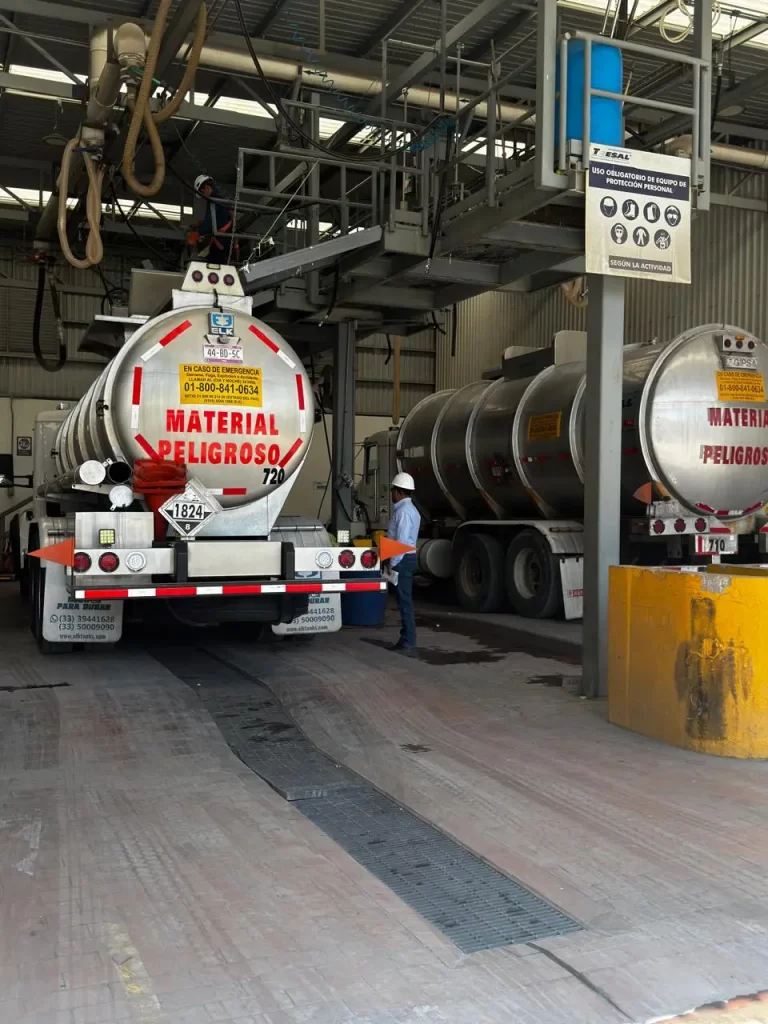
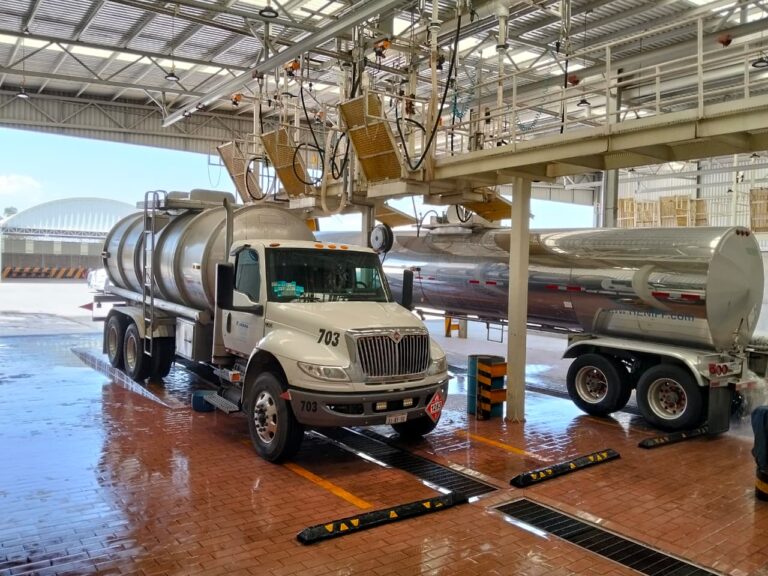
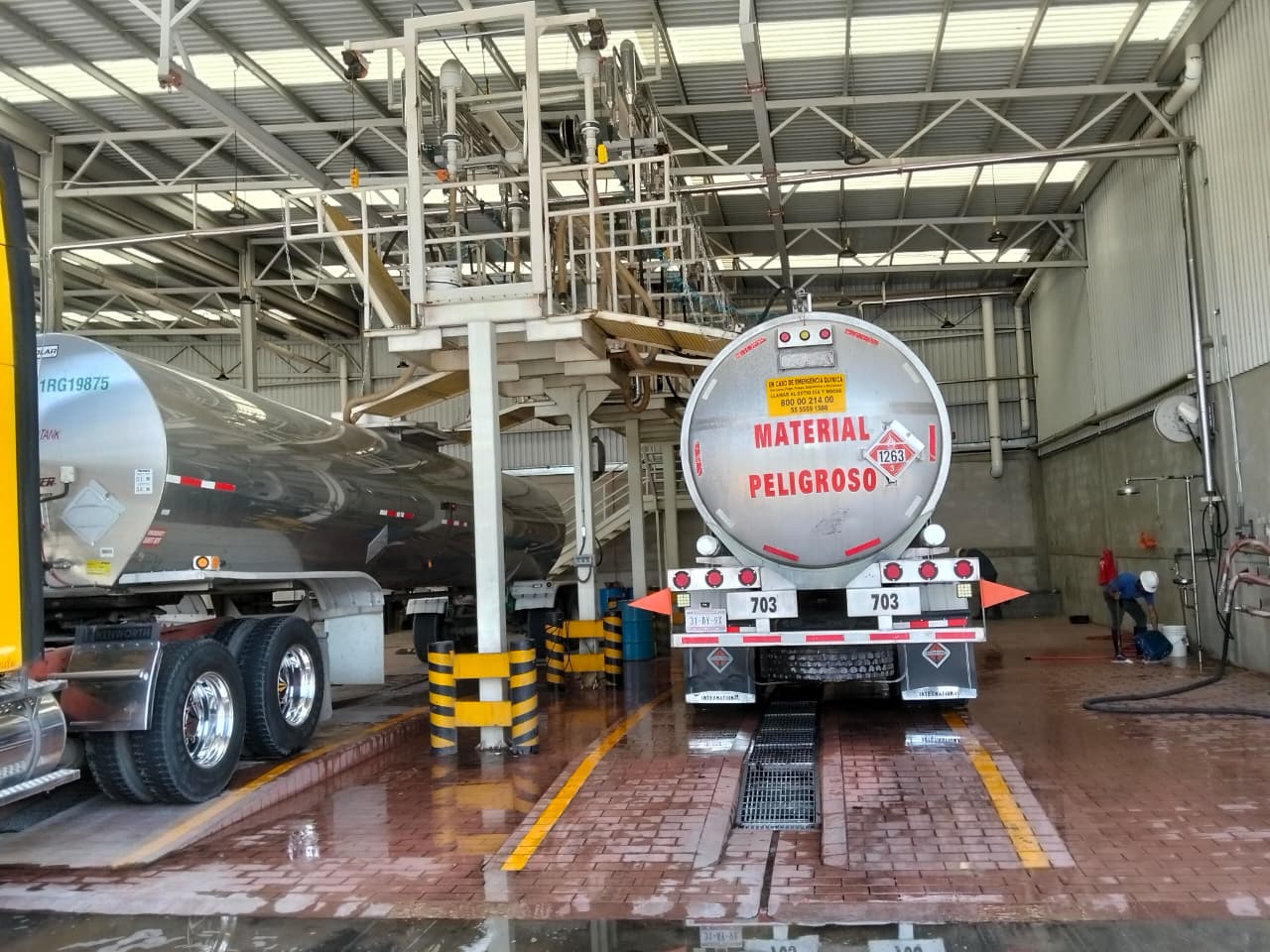
TRESAL operates two interior washing centers, open to the public, in Cuautitlán Izcalli (State of Mexico) and San Luis Potosí. Both feature closed-circuit CIP systems with capacity for chemical washing (Class 3 and Class 8), food-grade, and Kosher washing under Vaad Hakashrut KA supervision.
Every wash process is documented under our ISO 9001:2015 certified quality management system, with full traceability from the previous product through to next-load tank validation.
| Mistake | Main risk | Correct practice |
|---|---|---|
| 1. Not verifying chemical compatibility between loads | Exothermic reactions, toxic gases, or product contamination. | Check the compatibility matrix before every load. |
| 2. Inadequate washing temperatures | Adhered residues or hazardous vapors. | Apply the specific temperature range per product type. |
| 3. Skipping passivation after chemical washing | Damage to the passive layer and pitting corrosion of stainless steel. | Restore the passive layer after intensive washes. |
| 4. Failing to document the washing process | No evidence for clients, auditors, or authorities. | Issue a washing certificate for every cycle. |
| 5. Washing center without certification or experience | Incompatible agents, no residue containment or vapor handling. | Use centers with proven experience in chemical products. |
“Especificaciones técnicas y disposiciones generales para la limpieza y control de remanentes de substancias y residuos peligrosos en las unidades que transportan materiales y residuos peligrosos.”
NOM-019-SCT2/2015, official title (in Spanish). SICT, Mexican Official Gazette (DOF)
References
Mexico
1. NOM-019-SCT2/2015 — Cleaning and residue control for hazmat tank trucks. SICT / PLATIICA portal.
2. NOM-020-SCT-2-2022 — Chemical compatibility requirements for tank materials and transported substances. PLATIICA portal.
3. NOM-002-SCT/2011 — Listado de sustancias peligrosas. PLATIICA.
4. NOM-011-SCT2/2012 — Transporte de materiales peligrosos en cantidades limitadas. PLATIICA.
United States
5. “How Is a Bulk Trailer Tank Cleaned?” — Bulk Connection, 2024. Process breakdown, pre-cleaning, costs, and 450+ facility directory across the U.S. and Canada.
6. “The Role of a Kosher Wash in Food-Grade Bulk Transport” — Bulk Connection, 2024. Rabbinical documentation, chain of custody, and why uncertified washes invalidate the load.
France / European Union
7. “Inappropriate cleaning treatments of stainless steel AISI 316L caused a corrosion failure of a liquid transporter truck” — Engineering Failure Analysis, 2020. Documented case of 316L tank corrosion caused by unauthorized chloride-containing cleaning agents.
8. Godefroy Transports — Lavage de citerne — France. EFTCO certification and SQAS evaluation: every wash recorded by automated system for full traceability.
9. “Station de lavage intérieur citerne: nos conseils” — CSL, France. Risks of poor washing: cross-contamination, product degradation, chemical incidents, regulatory non-compliance.
Frequently asked questions
How often should a tank truck be washed?
After every load, without exception. Even if the next product is the same, the wash protocol must be executed to ensure tank integrity and product purity.
What is the difference between chemical and food-grade washing?
Chemical washing removes industrial substance residues (solvents, acids, bases). Food-grade washing follows stricter protocols with food-contact-approved agents and verification of zero contaminant presence.
Can I bring my tank truck to TRESAL for washing if I am not a transport client?
Yes. TRESAL’s washing centers are open to the public. We service third-party tank trucks with the same protocol and documentation we apply to our own fleet.
Published by Michel Cohen, Director General of TRESAL — 38 years transporting bulk chemicals across Mexico. TRESAL operates its own washing centers in Mexico City and SLP with ISO 9001:2015 certification.