'/%3E%3Cpath%20fill='%2330c2dc'%20d='M493%20379c-14-6%2010-16%2014-16-8-1-21%203-27%203l-57-3c-7-1-12-10-10-10-3%203-37-9-27%200l9%2014c15-3%2030%208%2013%2014%203%200%2057-4%2085-2'/%3E%3Cpath%20fill='%23f9aa51'%20d='M475%20366v13q-1%207-7%207h-35q-6-1-7-7v-13q0-6%207-7h35q7%201%207%207'/%3E%3Cpath%20fill='%230c8489'%20d='M388%20335c-11%205-28-12-25-24%203-13%2028-2%2029%2014%207-2%2020%202%2025%207%209-11%2038-3%2041%2010%2011-13%2028-9%2034-3%2013-10%2033-4%2030%207-3%2012-29%2015-37%206-1%201-20%200-22%2016h-11c-3-4-2-14-1-15-11%204-29-3-34-10-7%204-25-1-29-8'/%3E%3Cpath%20fill='%23fcca3d'%20d='m419%20304-3%203c-7-4-11%208-19-2-2-3-3-10%205-16%205-3%2018-5%2019%200%203%206%207%206%204%209l4%203v9zm56%2031c-15%204-16%209-15%2012q-7-6-1-10c-9-8-10%206-8-6%201-8%2024%205%2018-15h9q-1%2015%2017%2019c0%2024%202-3-6%205-2%200-5-6-14-5'/%3E%3Cpath%20fill='%238f4620'%20d='M418%20268c-4-24%2020-46%202-44-16%201-18-2-18-2-6-7%2010-11%209-20q2%2011%205-4c2%206%204%208%205-3%205%207%2017%205%2025%2010q-3-6-10-11c-12-11%2012-9%2012-9%2033-11%2044%2012%2061%2012-17%203%2013-2%2038%2058-18-11%2012-1-7%2067%200%200-45-57-36-39-10-5-20-18-20-18-11%203-2%204-1%2020%200%200%2043%2030%2045%2036%201%206-10%204-25%207-16%202-23-20-22-10s-16%205-16%205-19-29-19-9c-39-3-20-15-20-15s10%202%208-2c-2-3-12-4-16-29m-7-66'/%3E%3Cpath%20fill='%23f9c83a'%20d='M407%20220c10%203%2015-3%2016%204%204%204-22%209-19%2014-7%203-18-10-5-16%201-5%206-3%206-3l6-8q3%207-4%209'/%3E%3Cpath%20fill='%23a8ac71'%20d='M403%20309c-15%201-19%205-23-16-18-16-8-25-7-28%201-8-12-11-15-10-1-8%2022-1%2021%209-1%209-7%2011%206%2024%205%204%203%2014%2011%2011-1%204%203%2010%207%2010m6-18c10-8-24%202-26-24-1-15%2027-22%2023-34l-5-3q1-4%207-3c19%2015-11%2027-14%2038-4%2024%2031-5%2025%2029l-3%205q-7-4-7-8m-11-54c-25%206-23-35-7-35%201%2020-15%2015%205%2015-8%200-13%2011-3%2012q1%206%205%208'/%3E%3C/svg%3E)

How to Choose a Bulk Chemical Carrier in Mexico
Choosing a bulk chemical carrier in Mexico comes down to verifiable credentials: a valid SICT hazardous materials permit, specialized equipment, active insurance and full shipment traceability. TRESAL (Transportes Especializados del Altiplano, S. de R. L. de C. V.) summarizes in this guide the five filters industrial buyers apply.
1. Valid SICT Permit for Hazardous Materials
When choosing a bulk chemical carrier, the first filter is legal. The carrier must hold a current permit from the Secretaría de Infraestructura, Comunicaciones y Transportes (SICT) for the transport of hazardous materials and waste. This permit is not automatic: it requires meeting fleet requirements according to CANACAR, driver training, and technical documentation.
Ask for the permit number and verify it. If the carrier does not have it or cannot show it, the cargo generator can be held co-liable in case of an incident.
2. Equipment Compatibility with Your Product
Not all tank trucks are the same. Verify:
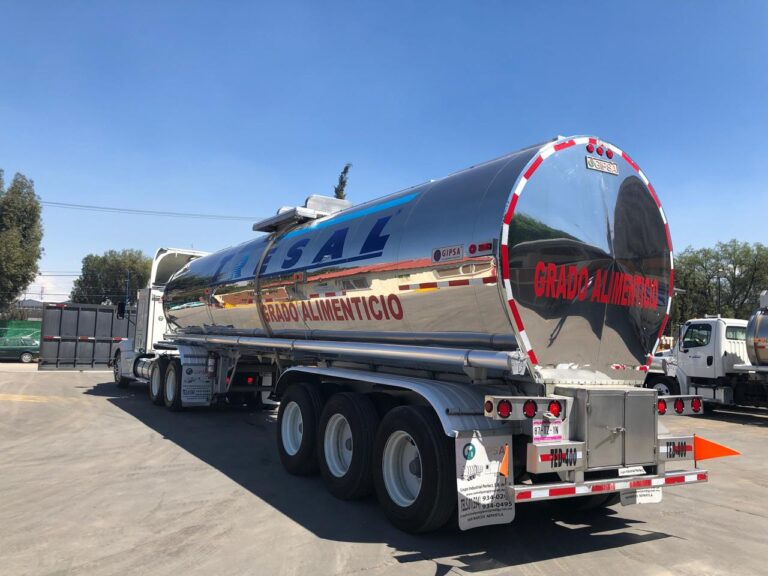
- Steel grade: 304 sheet or 316L plate? For caustic soda, acetic acid, vinegar, and aggressive products, 316L plate is required. For food products and low-aggressivity chemicals, 304 may be sufficient.
- SCT tank specification: NOM-020-SCT-2-2022 defines specifications 306, 307, and 312. The carrier should know which specification each unit meets.
- Prior load history: What products has that unit transported recently? Chemical compatibility between consecutive loads is critical.
3. ISO 9001 Certification or Documented Management System
In chemical transport, an ISO 9001:2015 certification does not guarantee the chemical carrier is perfect: it guarantees they have documented, auditable, and improvable processes. For a procurement or quality manager in the chemical industry, this means traceability exists: every operation is recorded and can be reviewed.
Without a management system, basic questions like “What did that tank carry last week?” or “When was the last wash?” have no verifiable answer.
4. Washing Capacity and Inter-Load Cleaning Protocols
For food-grade, pharmaceutical, or high-purity products, the chemical carrier’s wash history is as important as the equipment itself. Verify:
- Does the carrier have its own washing centers, or does it depend on third parties?
- Does the wash comply with NOM-019-SCT2/2015?
- Is there documented records for each wash per unit?
- Does it hold Kosher certification if your product or client requires it?
A carrier that does not control its own washing process cannot provide clients with the information they need to verify unit conditions before each load.
5. Chemical Precursor Registration If Applicable
If your product is classified as a chemical precursor or essential chemical product under Mexico’s Federal Precursor Law, the carrier must hold a current notice filed with SICT and comply with the annual report to COFEPRIS. Transporting these substances without proper registration exposes both the carrier and the cargo generator to criminal penalties.
Ask for evidence of registration before hiring.
6. Real Geographic Coverage and Company-Owned Operational Bases
A chemical carrier with company-owned operational bases, not just administrative offices, offers faster response times, on-site maintenance, and less dependence on third parties. Verify that the coverage they offer is backed by real infrastructure, not just subcontracting.
For national routes, having a presence at key points across the country reduces downtime and incident risk from poorly maintained equipment in transit.
7. Satellite Monitoring and Real-Time Communication
Satellite monitoring is not an add-on: it is a basic operational requirement for hazardous materials transport. It should include:
- Real-time vehicle location
- Direct communication with the driver during transit
- Route logging for post-delivery documentation
| Criterion | What to verify | Red flag |
|---|---|---|
| 1. Valid SICT permit | Verifiable permit number for hazardous materials and waste. | Cannot show it: co-liability risk for the cargo generator. |
| 2. Equipment compatibility | Steel grade (304 or 316L), NOM-020-SCT-2-2022 specification, and previous load history. | The carrier does not know each unit’s specification. |
| 3. ISO 9001 or documented system | Documented, auditable processes with traceability. | No verifiable answer about what the unit carried or when it was last washed. |
| 4. Washing and protocols between loads | Owned washing centers, NOM-019-SCT2/2015 compliance, and per-unit records. | Depends on third parties and does not control its washing process. |
| 5. Chemical precursor registration | Valid notice before SICT and annual COFEPRIS report, when applicable. | Transporting without registration exposes both parties to criminal penalties. |
| 6. Coverage and owned operating bases | Real infrastructure at key points, with on-site maintenance. | Coverage sustained only through subcontracting. |
| 7. Satellite monitoring | Real-time location and communication with the driver. | Presented as an extra rather than a basic requirement. |
Choosing the right chemical carrier is a strategic decision that directly impacts your supply chain safety and efficiency. A chemical carrier with proven experience, current certifications, and specialized equipment significantly reduces operational risks. TRESAL, as a leading chemical carrier in Mexico, meets all seven criteria outlined in this article and provides the peace of mind that comes from over 38 years of operations with an outstanding safety record across the country.
Chemical Carrier: Why We Say This from TRESAL
We are aware that these criteria evaluate us as well. Learn more about our company and explore our services. We meet them:
- Current SICT permit for hazardous materials and chemical precursors ✓
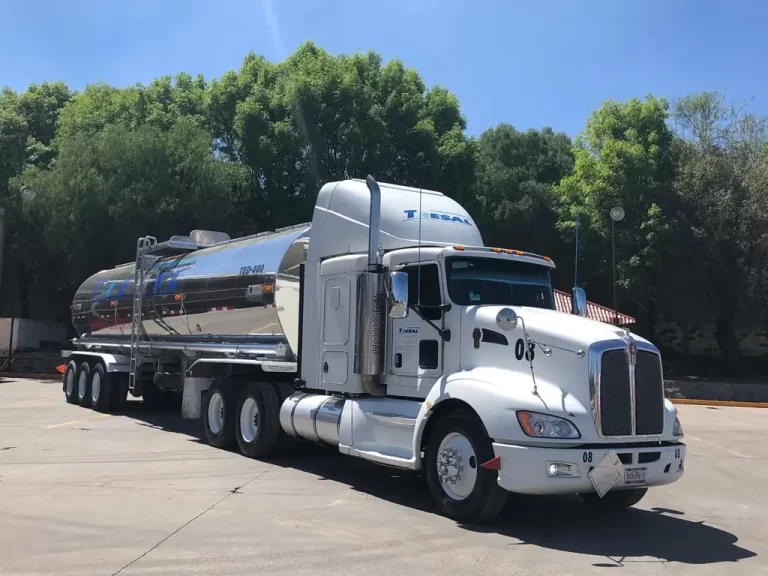
- Fleet with 304 sheet and 316L plate according to product requirements ✓
- ISO 9001:2015 certified by NYCE S.C. / EMA ✓
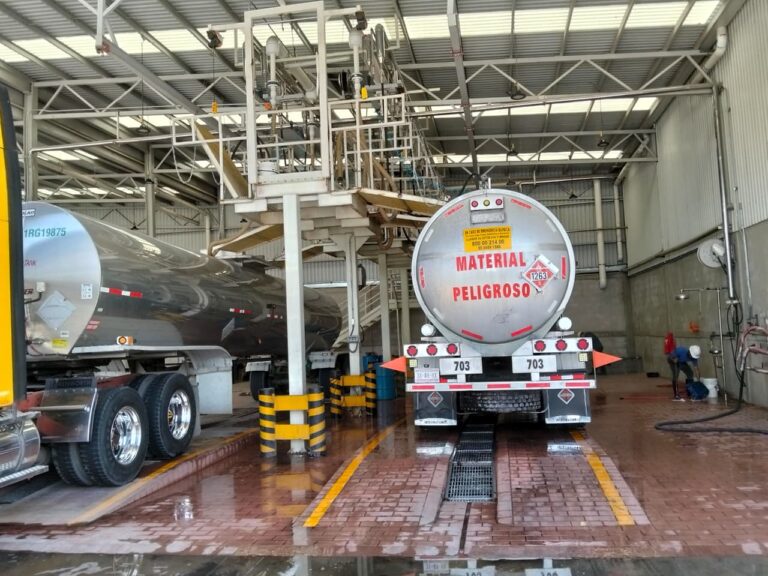
- Company-owned washing centers in Mexico City and SLP, Kosher certification ✓
- Chemical precursor registration with SICT ✓
- Company-owned operational bases in Cuautitlán Izcalli and San Luis Potosí ✓
- Real-time satellite monitoring ✓
Want to verify it directly? Contact us and we will answer any technical question before you commit.
References
Mexico
1. Reglamento para el Transporte Terrestre de Materiales y Residuos Peligrosos — Mexico’s federal regulation defining shipper obligations when selecting a hazmat carrier.
2. NOM-020-SCT-2-2022 — General specifications for design, construction, and testing of tank trucks (SICT 406, SICT 407, SICT 412). PLATIICA portal.
3. NOM-019-SCT2/2015 — Cleaning and residue control for tank trucks. PLATIICA portal.
4. CANACAR — Mexico’s National Chamber of Freight Transport. Industry body for federally licensed carriers.
5. “NOMs to be updated for freight transport” — T21 Magazine, December 2020.
United States
6. FMCSA Safety Measurement System (SMS) — U.S. DOT. Public portal for verifying carrier safety records through the CSA program.
Canada
7. Transport Canada — Dangerous Goods — Canada’s dangerous goods regulator. TDG framework harmonized with UN Model Regulations, relevant for cross-border operations under USMCA.
France / European Union
8. “10 Steps to Mitigate Risk in Chemical Transportation” — Enhesa. Covers carrier auditing, SQAS certification, and Responsible Care Transport Partner standards.
9. ADR — European Agreement on the International Carriage of Dangerous Goods by Road — UNECE. International reference framework.