'/%3E%3Cpath%20fill='%2330c2dc'%20d='M493%20379c-14-6%2010-16%2014-16-8-1-21%203-27%203l-57-3c-7-1-12-10-10-10-3%203-37-9-27%200l9%2014c15-3%2030%208%2013%2014%203%200%2057-4%2085-2'/%3E%3Cpath%20fill='%23f9aa51'%20d='M475%20366v13q-1%207-7%207h-35q-6-1-7-7v-13q0-6%207-7h35q7%201%207%207'/%3E%3Cpath%20fill='%230c8489'%20d='M388%20335c-11%205-28-12-25-24%203-13%2028-2%2029%2014%207-2%2020%202%2025%207%209-11%2038-3%2041%2010%2011-13%2028-9%2034-3%2013-10%2033-4%2030%207-3%2012-29%2015-37%206-1%201-20%200-22%2016h-11c-3-4-2-14-1-15-11%204-29-3-34-10-7%204-25-1-29-8'/%3E%3Cpath%20fill='%23fcca3d'%20d='m419%20304-3%203c-7-4-11%208-19-2-2-3-3-10%205-16%205-3%2018-5%2019%200%203%206%207%206%204%209l4%203v9zm56%2031c-15%204-16%209-15%2012q-7-6-1-10c-9-8-10%206-8-6%201-8%2024%205%2018-15h9q-1%2015%2017%2019c0%2024%202-3-6%205-2%200-5-6-14-5'/%3E%3Cpath%20fill='%238f4620'%20d='M418%20268c-4-24%2020-46%202-44-16%201-18-2-18-2-6-7%2010-11%209-20q2%2011%205-4c2%206%204%208%205-3%205%207%2017%205%2025%2010q-3-6-10-11c-12-11%2012-9%2012-9%2033-11%2044%2012%2061%2012-17%203%2013-2%2038%2058-18-11%2012-1-7%2067%200%200-45-57-36-39-10-5-20-18-20-18-11%203-2%204-1%2020%200%200%2043%2030%2045%2036%201%206-10%204-25%207-16%202-23-20-22-10s-16%205-16%205-19-29-19-9c-39-3-20-15-20-15s10%202%208-2c-2-3-12-4-16-29m-7-66'/%3E%3Cpath%20fill='%23f9c83a'%20d='M407%20220c10%203%2015-3%2016%204%204%204-22%209-19%2014-7%203-18-10-5-16%201-5%206-3%206-3l6-8q3%207-4%209'/%3E%3Cpath%20fill='%23a8ac71'%20d='M403%20309c-15%201-19%205-23-16-18-16-8-25-7-28%201-8-12-11-15-10-1-8%2022-1%2021%209-1%209-7%2011%206%2024%205%204%203%2014%2011%2011-1%204%203%2010%207%2010m6-18c10-8-24%202-26-24-1-15%2027-22%2023-34l-5-3q1-4%207-3c19%2015-11%2027-14%2038-4%2024%2031-5%2025%2029l-3%205q-7-4-7-8m-11-54c-25%206-23-35-7-35%201%2020-15%2015%205%2015-8%200-13%2011-3%2012q1%206%205%208'/%3E%3C/svg%3E)

Stainless Steel 304 vs 316L in Tank Trucks: Which Does Your Product Need?
TRESAL (Transportes Especializados del Altiplano, S. de R. L. de C. V.) operates stainless steel 304 and 316L tank trucks for bulk chemical transport in Mexico. This technical guide explains the differences between both alloys, their corrosion resistance, and how to choose the right steel based on the product being transported.
Stainless Steel: It’s Not Just the Alloy, It’s Also the Construction
The difference between stainless steel 304 and 316L in tank trucks goes beyond chemical composition:
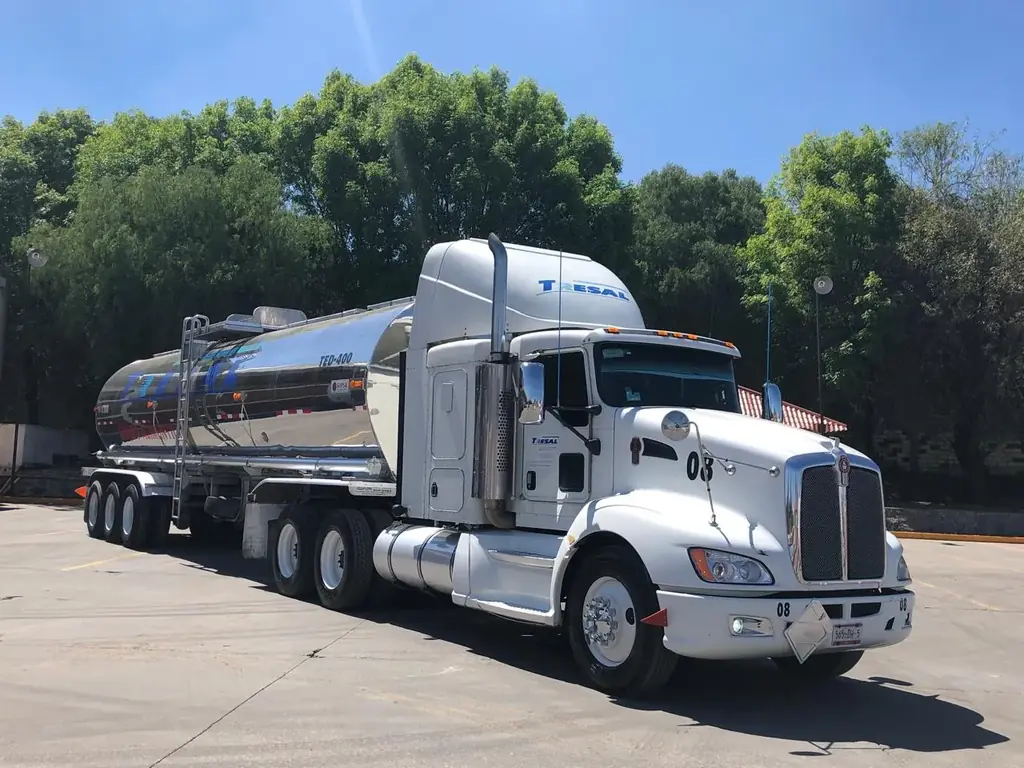
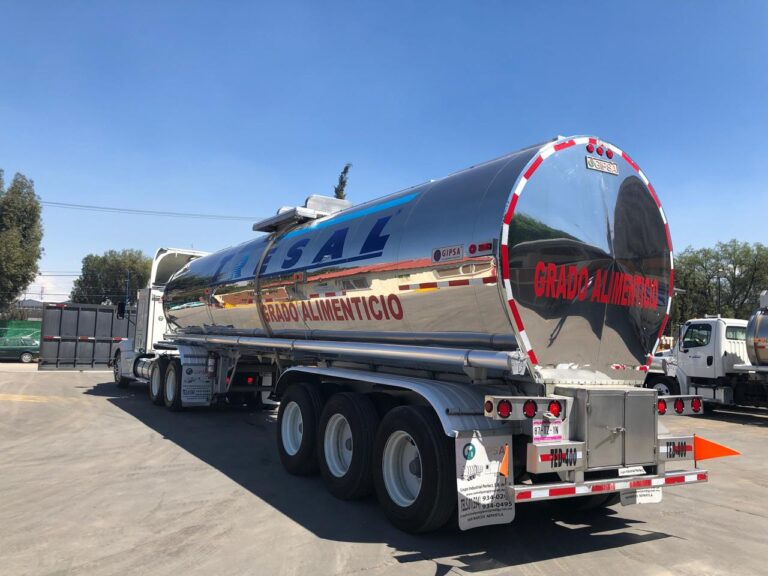
Stainless Steel 304 — Sheet Construction
- Built with stainless steel sheet
- 18% chromium, 8% nickel
- Standard for food products and low-aggressivity chemicals
- Excellent cost-durability ratio for most cargo types
Stainless Steel 316L — Plate Construction
- Built with thicker plate
- 16% chromium, 10% nickel, 2-3% molybdenum
- Molybdenum dramatically increases resistance to aggressive chemicals
- The “L” (Low carbon) reduces corrosion risk at weld points
- Greater robustness and service life for demanding cargo
The combination of molybdenum alloy with plate construction makes 316L significantly more resistant to corrosive products.
When to Use 304?
304 sheet construction is suitable for most food-grade and non-aggressive chemical cargo:
- Sugars, syrups, vegetable oils
- Purified water, beverages
- Chemicals with neutral or slightly acidic pH
- Products where standard certified equipment is sufficient
It is the most widely used grade in Mexico for general food transport and offers excellent durability with proper maintenance and wash protocols between loads.
When Is 316L Necessary?
316L plate construction is the right grade when the product demands it:
- Caustic soda (sodium hydroxide) — one of the most frequent 316L applications in Mexico
- Acetic acid and acetic anhydride — require superior chemical resistance
- Bulk vinegar — acetic acidity requires 316L to prevent contamination and corrosion
- Other aggressive chemicals with high alkalinity or acidity
Using 304 with these products can result in accelerated tank corrosion, product contamination, and audit failures.
Implications for Washing and Traceability
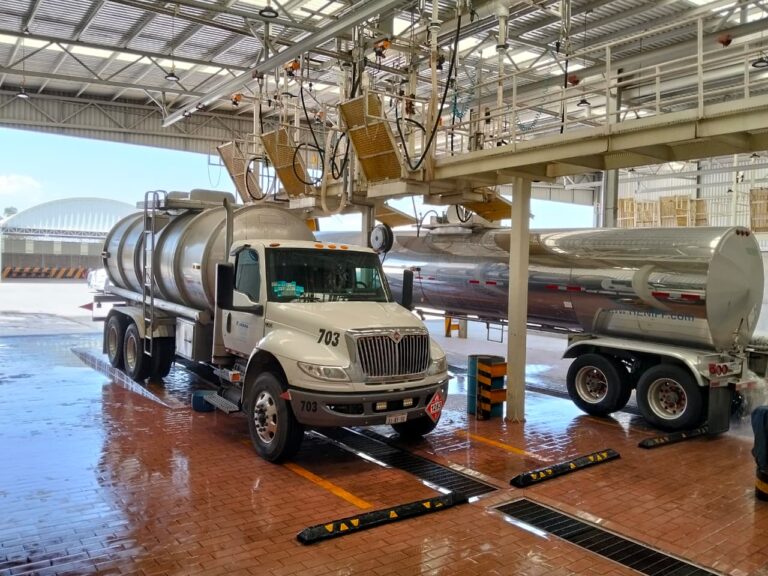
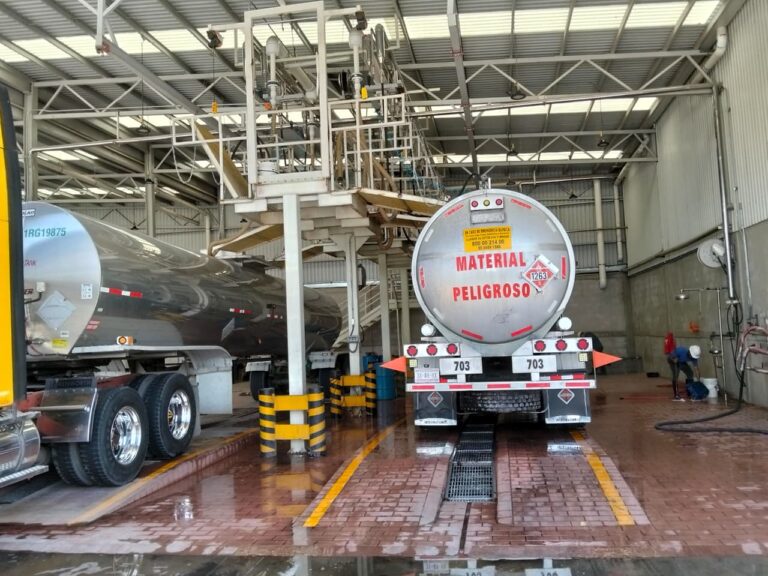
The steel grade also determines the wash protocol between loads. At our washing centers in Cuautitlán Izcalli, Mexico City and San Luis Potosí, we apply differentiated protocols based on the tank grade and the previously transported product.
Every wash is recorded in our ISO 9001:2015 management system, with complete load history traceability per unit — information available to our clients before each service. This process complies with SICT guidelines for hazardous materials transport.
How to Specify Correctly with Your Carrier
When selecting chemical transport services, the grade of stainless steel matters.When requesting a bulk transport service, specify:
- Exact product name (technical and commercial name)
- Required steel grade (304 or 316L), or describe the product so your carrier can recommend the right grade
- Concentration and temperature, if applicable
- Any client-specific requirements (Kosher, dedicated equipment, specific prior-load restrictions)
A carrier who does not ask you these questions before assigning a unit may not have the capacity to serve your product safely.
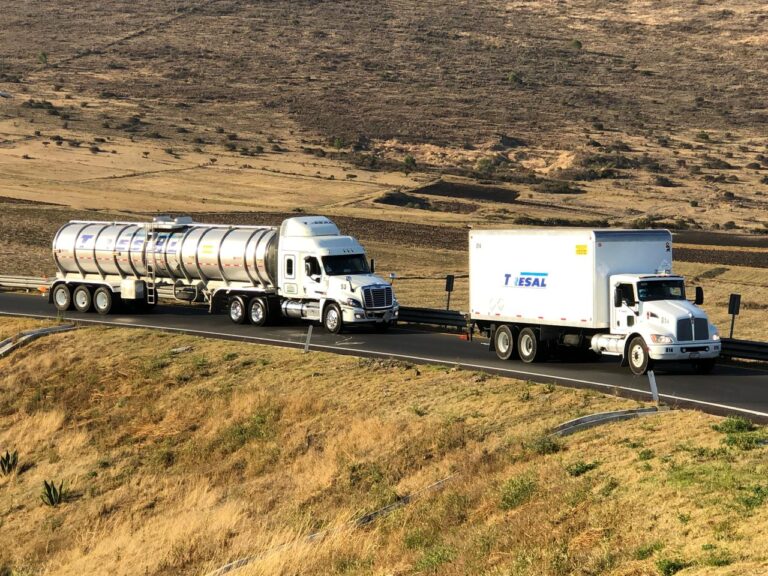
Tank trucks with these alloy grades transport many substances across Mexico’s chemical and food sectors.
Products like caustic soda, acetic acid, and syrups need precise corrosion resistance from the tank material.
Preventive maintenance at TRESAL’s washing facilities in Mexico City and San Luis Potosí keeps tanks within design specs.
Each unit undergoes visual inspection, hydrostatic testing, and certified cleaning between different product loads.
The right material selection protects product integrity and ensures operator safety on every route nationwide.
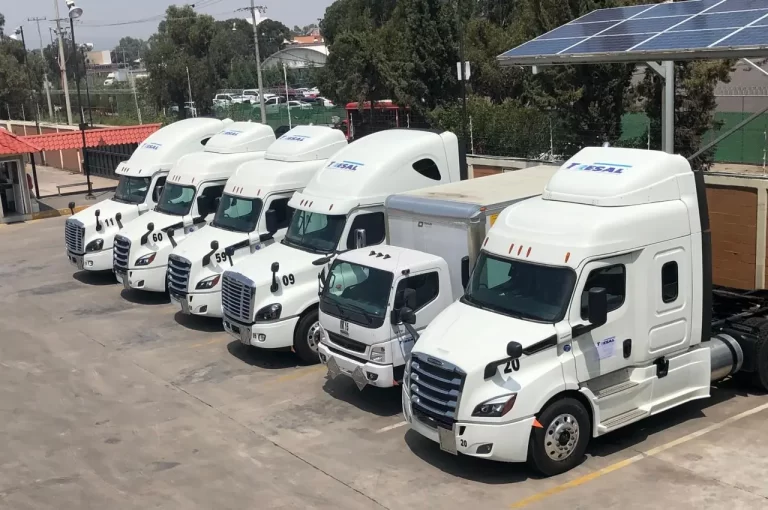
TRESAL’s fleet includes both grades, allowing optimal equipment matching for each specific chemical cargo.
TRESAL‘s Fleet: Both Grades for the Right Application
At TRESAL we operate both grades across our fleet:
- 304 sheet: for solvents, food products, and general chemicals — tank trucks from 26,000 to 45,000 liters
- 316L plate: for caustic soda, acetic acid, acetic anhydride, vinegar, and other aggressive products
- Kosher certification available on select units
- Both grades with complete wash traceability per unit
We have been serving Mexico’s chemical industry for over 38 years. We know which grade your product needs.
Regulatory Framework: Mexican NOMs and International Standards
TRESAL (Transportes Especializados del Altiplano, S. de R. L. de C. V.) operates stainless steel 304 and 316L tank trucks for bulk chemical transport in Mexico. This technical guide explains the differences between both alloys, their corrosion resistance and how to choose the right grade for each chemical product.
Choosing the right stainless steel grade for tank trucks is not optional in Mexico. NOM-020-SCT-2-2022 sets the general requirements for the design and construction of tank trucks used to transport hazardous materials and waste, including SICT 406, SICT 407, and SICT 412 specifications. The standard mandates that tank materials must be compatible with the substances being transported, making the choice between 304 and 316L a regulatory decision as much as a technical one.
Internationally, ASTM A240 (plates, sheets, and strips) and ASTM A312 (austenitic stainless steel piping) define the chemical compositions and mechanical properties these grades must meet. Grade 304 (UNS S30400) contains 18-20% chromium and 8-10.5% nickel. Grade 316L (UNS S31603) adds 2-3% molybdenum and limits carbon to 0.030% maximum, which provides significantly better chloride corrosion resistance and improved weld behavior.
NOM-002-SCT/2011 complements this framework by defining the official list of most commonly transported hazardous substances, classified by UN number and hazard class. Each listed substance has specific container material compatibility requirements, and the carrier must verify the tank’s steel grade is appropriate before every load.
Why TRESAL Operates with Both Stainless Steel Grades
TRESAL maintains a fleet of tank trucks built in both 304 and 316L stainless steel because the diversity of products we transport requires it. Not every chemical demands the superior resistance of 316L, and matching the correct grade to each product optimizes both safety and equipment lifespan.
Our operation covers more than 60 different products, from acids and solvents (UN Class 3 and Class 8) to food-grade products requiring certified contact surfaces. Each tank truck is assigned based on chemical compatibility, prior load history, and the washing protocol required between products.
TRESAL operates its own interior tank washing facilities in Cuautitlán Izcalli (Mexico City) and San Luis Potosí, where every unit undergoes certified cleaning between loads. Direct control over the washing process is critical when working with stainless steel, because residues from an incompatible product can compromise the chromium passive layer that protects the material. Our ISO 9001:2015 certified quality management system supports full traceability from tank assignment through final delivery.
References
Mexico
1. NOM-020-SCT-2-2022 — General requirements for the design and construction of tank trucks for hazardous materials transport (SCT 306, SCT 307, SCT 312 specifications). Mexico’s SICT.
2. NOM-002-SCT/2011 — Official list of most commonly transported hazardous substances. SICT.
3. “NOMs to be updated for freight transport” — T21 Magazine (Mexico’s leading logistics publication), December 2020.
4. “Why stainless steel is used in the pharmaceutical industry” — IMINOX (Mexican Stainless Steel Institute). Grade selection by chloride exposure level.
United States
5. ASTM A240/A240M — Standard Specification for Chromium and Chromium-Nickel Stainless Steel Plate, Sheet, and Strip. ASTM International.
6. “Steel Tanks for Storing and Transporting Pesticides and Fertilizers” — Purdue University Extension. Practical guide for 304 vs 316 grade selection in transport tanks.
France / European Union
7. “Inappropriate cleaning treatments of stainless steel AISI 316L caused a corrosion failure of a liquid transporter truck” — Engineering Failure Analysis, 2020.
8. “Qu’est-ce que l’acier inoxydable AISI 304 et AISI 316?” — Hirschfeld Emballages, Strasbourg, France. AISI grade comparison for industrial transport and storage.